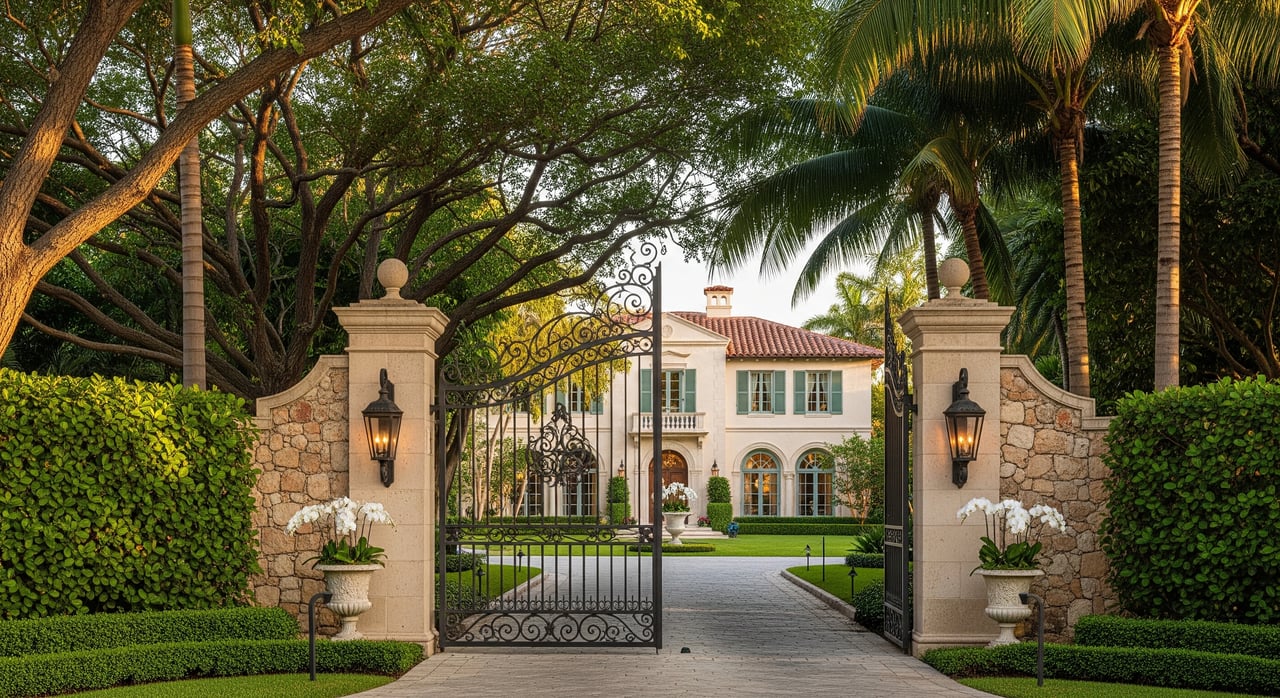
Thinking about a gated community in Coral Gables but not sure which one fits your lifestyle? You are not just buying a home. You are choosing privacy, amenities, and a daily rhythm that should feel effortless. In this guide, you will compare the most sought-after enclaves, learn what to verify before you buy, and get a clear checklist you can use on tours. Let’s dive in.
Why Coral Gables gated living works
Coral Gables blends historic charm with a refined, resort-like lifestyle. You are close to Miracle Mile, Merrick Park, the University of Miami, and major corridors to Downtown Miami and Miami International Airport. Many buyers here want privacy, security, and access to the water or club amenities. Gated enclaves offer that combination but vary in scale, rules, and ongoing costs.
The enclave shortlist
Gables Estates
If you want estate-scale living with a strong focus on the water, Gables Estates stands out. You will find large waterfront lots, deep-water access, and a quiet, private setting. Many homes have docks or boathouses, and streets feel secluded.
- Lifestyle: Waterfront focus, large setbacks, calm streets.
- Security: Staffed gates and a strong emphasis on privacy.
- Verify: Lot size and setbacks, seawall condition and easements, permits for docks, and any HOA rules or assessments.
Cocoplum
Cocoplum offers a garden-like setting with a mix of canal-front and inland lots. The community has mature landscaping and a close-knit feel that many families appreciate. Some homes include private docks on canals and lakes.
- Lifestyle: Tree-lined streets, mix of water and inland living.
- Security: Gated entries with staffed protocols.
- Verify: CCRs and architectural review steps, any club obligations, and flood elevation differences between inland and canal-front properties.
Deering Bay
If you want the convenience of a club setting, Deering Bay is a gated golf-and-marina community with tennis, dining, and a clubhouse environment. It attracts buyers who value an integrated, amenity-rich lifestyle.
- Lifestyle: Golf, marina, clubhouse, and organized activities.
- Security: Gated with private security and controlled access to club facilities.
- Verify: Membership structure and fees, transfer policies, and marina slip availability and waitlists.
Hammock Oaks (and similar enclaves)
For a lower-profile option, Hammock Oaks and nearby small private enclaves deliver privacy, larger tree canopy, and a neighborhood feel. You may have fewer centralized amenities, but enjoy a convenient location for shopping and schools.
- Lifestyle: Quiet streets, privacy, and location advantages.
- Security: Small gates with staffed or electronic access control.
- Verify: Street ownership and maintenance, HOA rules for exterior changes, and landscaping standards.
How to choose your enclave
Security and access control
Security varies from 24-hour staffed guardhouses to electronic gates and patrols. Ask how guest, contractor, and delivery access works, and whether streets are private. Consider daily convenience for events, caregivers, and ride-hail services. Request written security policies from the HOA and review coverage levels, camera placement, and lighting.
Amenities and lifestyle fit
Decide if you want a clubhouse lifestyle or a quieter residential feel. Golf, marina access, tennis, pickleball, pools, private parks, and community events shape daily life. Confirm membership requirements, initiation fees, monthly dues, waitlists, and guest policies. Clarify which facilities are owned by a private club versus maintained by the HOA.
Lot size and build potential
Lot sizes in Coral Gables enclaves can be significantly larger than standard city parcels, especially in waterfront neighborhoods. If you plan to expand or build, confirm the exact lot area, lot coverage limits, setbacks, and rules for accessory structures. Ask for plats, surveys, site plans, and HOA design guidelines so you understand the buildable envelope before you write an offer.
Architecture and design controls
Most gated communities use Covenants, Conditions and Restrictions and an architectural review board to protect neighborhood character. Expect rules for architectural style, materials, rooflines, and landscape. This helps preserve value but adds approval steps for renovations or new builds. Review the approval timelines and fees early in your process.
Schools and daily logistics
Many buyers choose Coral Gables for proximity to the University of Miami and to private schools in the greater area, including Ransom Everglades, Gulliver Preparatory, and Carrollton School of the Sacred Heart. Public school assignments vary by address. Check boundary maps, commute times, and activity schedules to see how a location supports your daily routine.
Flood, elevation, seawalls, and insurance
Coastal and canal-front properties carry flood and storm-surge risk. Even inland homes can be affected by heavy rain. Ask for an elevation certificate, FEMA flood zone designation, and flood insurance quotes. For waterfront lots, review seawall condition and maintenance responsibility, and hire a marine specialist if needed. Ask about recent mitigation work, such as drainage upgrades or seawall replacements.
HOA, CCRs, and ongoing costs
Budget for HOA dues, special assessments, and reserves. In golf or marina communities, plan for membership initiation fees and monthly club dues. Confirm rental policies, transfer restrictions, and insurance coverage for common areas. Request recent HOA meeting minutes and financial statements to spot any pending projects or litigation.
Resale and liquidity
Luxury enclaves show different market speeds. Scarcity of unique lots, transfer restrictions, and infrastructure condition all affect resale. Review closed comparable sales and days on market for the enclave you are considering. A strong neighborhood maintenance record and clear design standards often help support long-term value.
A quick shortlist checklist
Use this to compare 3 to 5 enclaves side by side:
- Security: Staffing levels, guest and contractor protocols, cameras, and lighting.
- Amenities: Golf, marina, parks, tennis, pools, and community events. Membership needs and waitlists.
- Lot and build: Lot size, orientation, setbacks, coverage limits, potential for guest house or pool.
- Architecture: CCRs, design review timelines, fees, and style guidelines.
- Schools and commute: Daily drive times to schools, work, and lifestyle hubs like Miracle Mile and Merrick Park.
- Flood and insurance: FEMA flood zone, elevation certificate, seawall condition, and insurance quotes.
- HOA and club costs: Dues, assessments, reserves, and any transfer or rental restrictions.
- Resale: Closed comps, days on market, and common-area condition.
Due diligence steps before you buy
- Tour at different times: Visit weekdays, weekends, and evenings to see traffic, noise, and gate operations.
- Request documents: Full HOA package including CCRs, bylaws, financials, reserve study, and recent minutes. Get security policies, ARB guidelines, surveys, elevation certificates, and sewer or septic info. For waterfront, add seawall history and maintenance agreements. For club communities, request membership terms.
- Order inspections: Full home inspection plus specialists for roof, electrical, pool, and if waterfront, a marine engineer for seawall and dock. Obtain a flood-risk assessment and insurance estimates.
- Title and survey: Confirm easements for boat access and utilities, and verify lot lines and buildable area.
- Financial and legal checks: Review HOA financial health and litigation, verify property taxes and special taxing districts, and consult a real estate attorney about addenda tied to memberships, assessments, or dock issues.
Common trade-offs to weigh
- Privacy vs convenience: Larger, quieter lots can mean longer internal drives or fewer community amenities.
- Club lifestyle vs cost: Golf and marina settings add access and social life, but also memberships and higher dues.
- Waterfront access vs flood exposure: Canal or bay proximity can raise insurance costs and add seawall responsibilities.
- Design control vs flexibility: Strong ARB rules support neighborhood character but lengthen renovation timelines.
Next steps
If a gated enclave in Coral Gables is on your shortlist, start with side-by-side tours and document requests. Bring your checklist, speak with the HOA, and price in insurance and maintenance. When you want discreet, data-driven guidance and access to the best opportunities, connect with Ruben Chamorro for buyer representation and a private, concierge experience.
FAQs
Which gated enclave is safest in Coral Gables?
- Most maintain staffed security and controlled access. Differences are often marginal, so compare staffing levels, camera coverage, lighting, and perimeter completeness.
Are club communities like Deering Bay more expensive to maintain?
- Yes. Expect initiation fees, monthly club dues, and typically higher HOA assessments to support golf, marina, and dining facilities.
How do lot sizes compare in Gables Estates and Cocoplum?
- Gables Estates trends toward larger estate-sized waterfront lots. Cocoplum offers both sizable parcels and smaller inland lots. Verify exact square footage with public records.
Do Coral Gables gated communities allow short-term rentals?
- Rules vary by enclave. Many restrict or limit short-term rentals. Review CCRs and any club rules before you make an offer.
What risks are unique to Coral Gables waterfront enclaves?
- Flood and hurricane exposure, aging seawalls and docks, potential special assessments for infrastructure, and design-review timelines that can affect renovation schedules.