Staring at sparkling Brickell towers and wondering what it really costs to own there each month? You are not alone. In Brickell, your monthly carry is shaped as much by HOA dues, insurance, and taxes as it is by your mortgage payment. In this guide, you will see a clear, line-by-line breakdown with local ranges, realistic examples at four price points, and a due diligence checklist to protect your budget. Let’s dive in.
Why Brickell carry is different
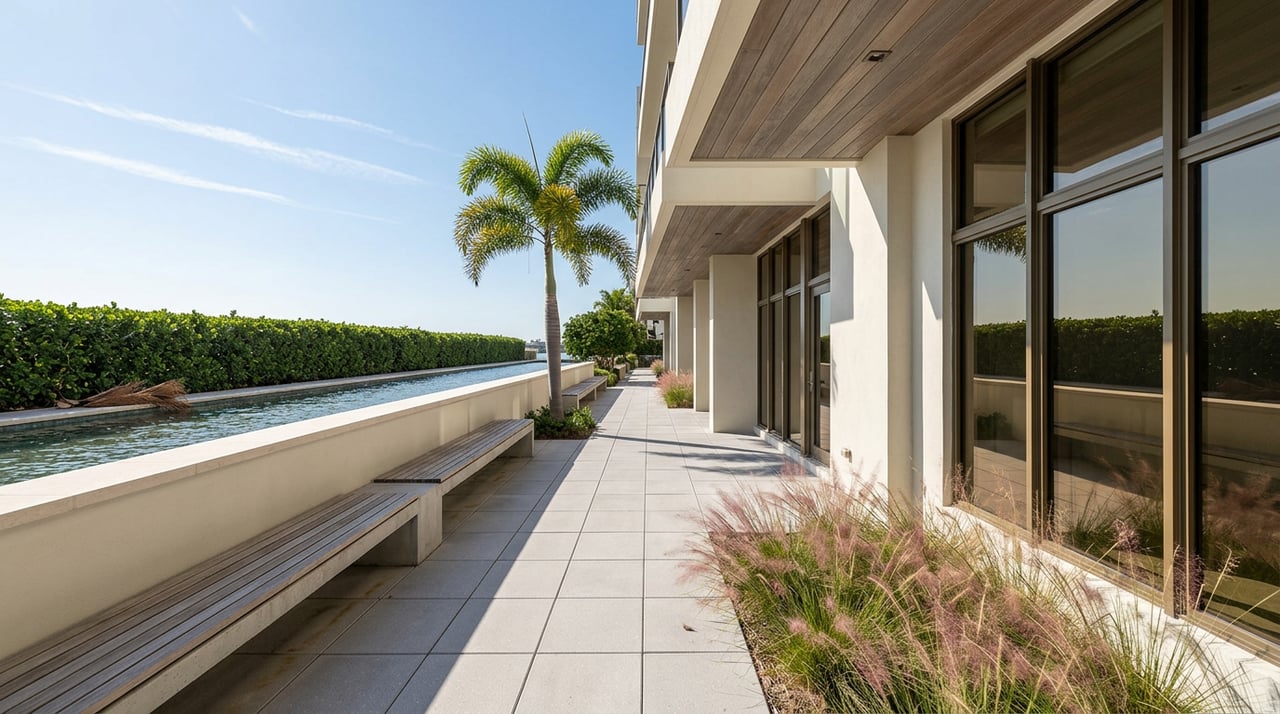
Brickell is a high-rise, amenity-rich submarket where buildings often include concierge, valet, multiple pools, gyms, and staffed front desks. That service level increases HOA dues and building insurance compared with smaller inland communities. Local investor guidance places full-service Brickell HOA dues in the range of about $0.60 to $1.50 or more per square foot per month depending on amenities and insurance costs. You can review these ranges in a Brickell-focused analysis of pre-construction and underwriting tips. (source)
Typical price points also set the stage. Recent neighborhood data shows a median Brickell condo price in the mid $700,000s. (source) Rents sit well above the broader Miami average, with recent snapshots showing one-bedrooms around $3,000 per month and all-unit averages in the $3,500 to $4,000 range depending on season and data feed. (source)
What “monthly carry” includes
Monthly carry is the all-in cash outflow to hold your condo each month. In Brickell, plan for:
- Mortgage principal and interest
- Property tax
- HOA or condo dues
- Unit insurance (HO-6)
- Flood insurance (if required)
- Parking fees if billed separately
- Utilities not covered by the HOA
- An assessment or reserves cushion
If you are investing, add vacancy, management, and capital reserves for future improvements.
Local ranges and how to model them
Mortgage principal and interest
- Use current lender quotes and a standard amortization calculator. Freddie Mac’s Primary Mortgage Market Survey recently showed 30-year fixed averages in the high 5 percent to low 6 percent range, for example about 5.98 percent in late February 2026. (source)
- Condos may require project approvals and larger down payments, and investor loans often price higher. Request the condo questionnaire and project approval status early. (source)
Property tax
- Inside the City of Miami, combined millage is commonly near 20 mills, roughly 2.0 percent of assessed value. Model monthly by taking about 2.0 percent of the expected taxable value and dividing by 12. Confirm parcel specifics using the Miami-Dade Property Appraiser’s tools. (source)
- Homestead exemptions typically apply only to primary residences, not second homes or most investor units.
HOA or condo dues
- Full-service Brickell towers commonly range from about $0.60 to $1.50 or more per square foot per month. Luxury buildings can exceed that band. Normalize by dollars per square foot to compare buildings fairly. (source)
- HOAs often cover the master insurance policy for common elements, staffing, elevators, pools, common-area utilities, and reserves. Always pull the current budget and reserve study. (source)
Unit insurance (HO-6)
- Condo owners typically need an HO-6 policy to cover interiors, personal property, and liability. Recent Miami-area medians run about 1,500 to 3,000 dollars per year depending on coverage and unit value. Get a quote during underwriting. (source)
Flood insurance
- Prices vary widely by flood zone, elevation, building structure, and carrier. National NFIP averages are often cited around 700 to 900 dollars per year, but coastal Florida condos in AE or VE zones can be much higher. Use FEMA/NFIP and private quotes for your specific address. (source)
Parking, utilities, and extras
- Parking may be included, deeded, or billed monthly. In high-service towers, expect a potential monthly fee in the low hundreds per stall if not included. Confirm whether spaces are deeded, assigned, or valet-only.
- Electricity and internet are commonly owner-paid. Water, sewer, and trash are often included in HOA dues. Many Brickell owners budget about 100 to 300 dollars per month for unit utilities, then adjust with real bills.
Assessment or reserves cushion
- Florida’s milestone inspections and SIRS requirements have led some communities to levy significant special assessments. In South Florida, recent building-wide assessments reached tens of millions of dollars with meaningful per-unit impacts. Budget a monthly reserve line item or confirm the association’s amortization plan before you commit. (source)
Sample monthly carry in Brickell
The examples below use 20 percent down and a 30-year fixed at about 5.98 percent for mortgage math, a 2.0 percent effective property tax rate, and plausible Brickell ranges for HOA, insurance, flood, utilities, and reserve cushions. Update each line with your lender quote and building documents.
Scenario A - Entry 1-bedroom
- Purchase price: 450,000 dollars
- Down payment: 20 percent - Loan: 360,000 dollars
- P&I at 5.98 percent: 2,153.76 dollars per month (source)
- Property tax at 2.0 percent: 750 dollars per month (source)
- HOA dues: 650 dollars per month (source)
- HO-6 insurance: 120 dollars per month (source)
- Flood insurance: 100 dollars per month (source)
- Parking: 0 dollars per month if included
- Utilities and internet: 150 dollars per month
- Assessment reserve: 200 dollars per month
Estimated total monthly carry: about 4,124 dollars. Cash buyer estimate: remove 2,153 dollars for P&I for about 1,971 dollars per month.
Scenario B - Mid-tier 2-bedroom
- Purchase price: 800,000 dollars - Loan: 640,000 dollars
- P&I at 5.98 percent: 3,828.90 dollars per month (source)
- Property tax at 2.0 percent: 1,333 dollars per month (source)
- HOA dues: 1,200 dollars per month (source)
- HO-6 insurance: 160 dollars per month (source)
- Flood insurance: 150 dollars per month (source)
- Parking: 150 dollars per month
- Utilities and internet: 200 dollars per month
- Assessment reserve: 300 dollars per month
Estimated total monthly carry: about 7,322 dollars.
Scenario C - Upper-market luxury 2 to 3 bedrooms
- Purchase price: 1,500,000 dollars - Loan: 1,200,000 dollars
- P&I at 5.98 percent: 7,179.18 dollars per month (source)
- Property tax at 2.0 percent: 2,500 dollars per month (source)
- HOA dues: 2,500 dollars per month (source)
- HO-6 insurance: 250 dollars per month (source)
- Flood insurance: 300 dollars per month (source)
- Parking or valet: 250 dollars per month
- Utilities and internet: 300 dollars per month
- Assessment reserve: 600 dollars per month
Estimated total monthly carry: about 13,879 dollars.
Scenario D - Trophy waterfront penthouse
- Purchase price: 3,500,000 dollars - Loan: 2,800,000 dollars
- P&I at 5.98 percent: 16,751.43 dollars per month (source)
- Property tax at 2.0 percent: 5,833 dollars per month (source)
- HOA dues: 6,000 dollars per month (source)
- HO-6 or umbrella: 500 dollars per month
- Flood or private wrap: 800 dollars per month (source)
- Parking or multiple stalls: 500 dollars per month
- Utilities and internet: 500 dollars per month
- Assessment reserve: 1,500 dollars per month
Estimated total monthly carry: about 32,385 dollars.
Investor quick math
Brickell rents are strong. Recent snapshots show one-bedrooms around 3,000 dollars per month and broader averages near 3,500 to 4,000 dollars. (source) To pressure test an investment, keep it simple:
- Start with gross monthly rent.
- Subtract vacancy at 5 to 10 percent and management at 6 to 10 percent.
- Subtract the operating lines above that are not paid by the tenant.
- Add a capital reserves line for future updates.
This two-line pro forma tells you quickly whether a unit warrants deeper analysis. For furnished or short-term strategies, confirm building rules and licensing before you model revenue.
Due diligence that protects your budget
Pull these documents early, ideally at offer, and update your monthly model with actual figures.
- HOA budget and reserve study, including any SIRS items and planned projects. (source)
- Recent HOA meeting minutes and details on any pending or approved special assessments. (source)
- Master insurance summary, including deductible structure and the association’s right to assess owners. (source)
- Flood zone confirmation and quotes from NFIP and private carriers for the specific address. (source)
- Copies of recent electric bills, internet plans, parking agreements, and any separate valet charges.
- Lender condo project approval status and whether building conditions or assessments could impact loan eligibility. (source)
How to tailor your Brickell short list
- Set a comfort ceiling for monthly carry that fits your lifestyle or investment goals.
- Normalize HOA by dollars per square foot per month so you can compare buildings fairly. (source)
- Price your mortgage using a live lender quote and current Freddie Mac PMMS averages as context. (source)
- Use a 2.0 percent starting point for property tax until you confirm the parcel’s millage. (source)
- Get HO-6 and flood quotes for the exact unit and floor.
- Build a meaningful assessment cushion, especially in older buildings completing milestone inspections.
- Stress test your model with a slightly higher rate, higher insurance, and a modest HOA increase.
Ready to run the numbers on a specific condo?
If you want a building-by-building breakdown with actual HOA budgets, assessment history, insurance summaries, rental rules, and current lender guidance, let’s talk. As a concierge advisor with a deep Brickell track record and Douglas Elliman’s platform behind me, I will help you compare real options, not guesses. Reach out to Ruben Chamorro to see curated on and off-market inventory, refine your monthly budget, and move forward with confidence.
FAQs
What does “monthly carry” mean for a Brickell condo?
- It is your total monthly out-of-pocket cost to own, including mortgage principal and interest, property tax, HOA dues, unit insurance, flood insurance if required, parking, utilities, and an assessment cushion.
How much are typical Brickell HOA dues per square foot?
- Many full-service towers fall around 0.60 to 1.50 dollars or more per square foot per month, with luxury buildings sometimes higher, based on amenity load and insurance costs. (source)
How can I estimate Brickell property taxes before I buy?
- As a planning rule, multiply expected taxable value by about 2.0 percent and divide by 12, then confirm parcel-specific millage using the Miami-Dade Property Appraiser’s tools. (source)
Do Brickell condo owners need flood insurance?
- It depends on the building, flood zone, and lender requirements; many coastal properties carry flood risk, so get NFIP and private quotes for the specific address and floor. (source)
What is driving higher HOA dues in Brickell?
- Staffing, amenities, and building insurance are major drivers in full-service towers; dues also reflect reserves and any capital planning shown in the association budget. (source)
Why plan a cushion for special assessments in Miami-Dade?
- New Florida inspection and reserve rules have prompted sizable assessments in some buildings; a monthly reserve line helps you absorb potential costs or association amortization plans. (source)