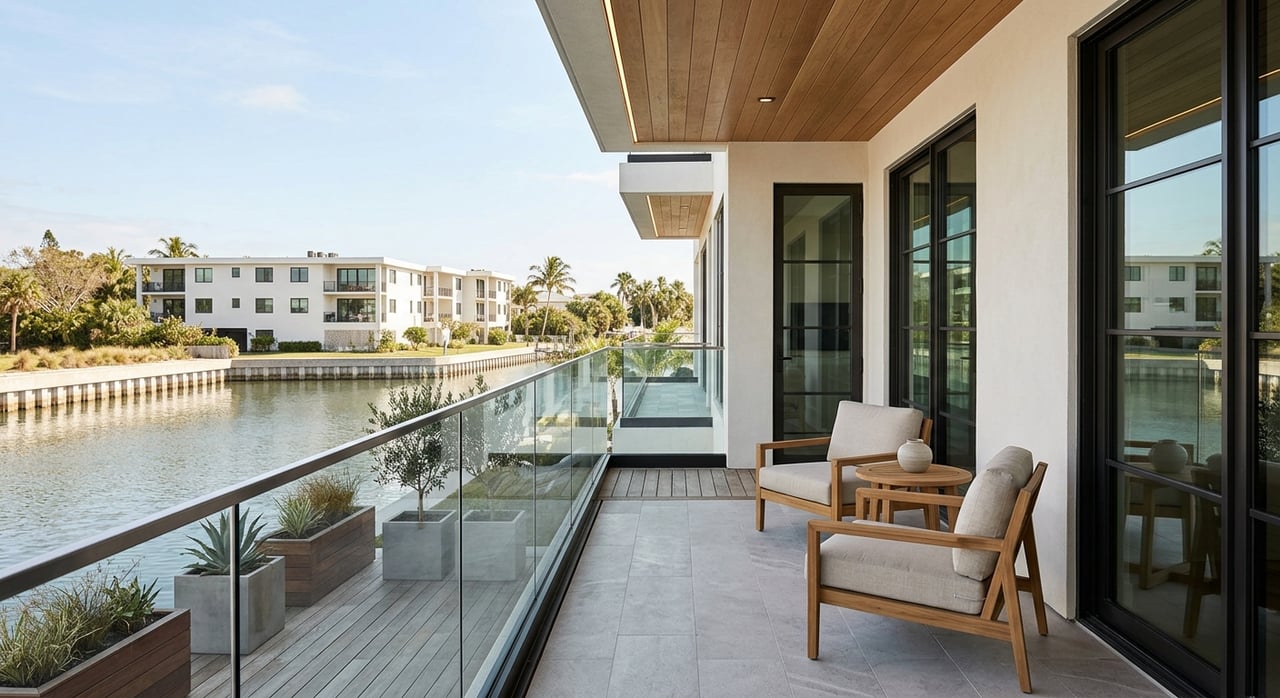
Dreaming about a place where your beach getaway feels private, polished, and easy to return to year after year? Buying a vacation condo in Key Biscayne can check those boxes, but this market asks for more homework than many buyers expect. If you are considering an island retreat for personal use, occasional rentals, or both, understanding the building rules, carrying costs, and ownership details upfront can save you time and money. Let’s dive in.
Why Key Biscayne Stands Out
Key Biscayne offers a different experience from many other waterfront markets in South Florida. The Village sits on a barrier island in Biscayne Bay, connected to the mainland by the Rickenbacker Causeway, with about 15,000 residents across roughly 1.25 square miles, according to Village documents. That smaller scale helps give the area a more residential and insulated feel than denser coastal districts nearby.
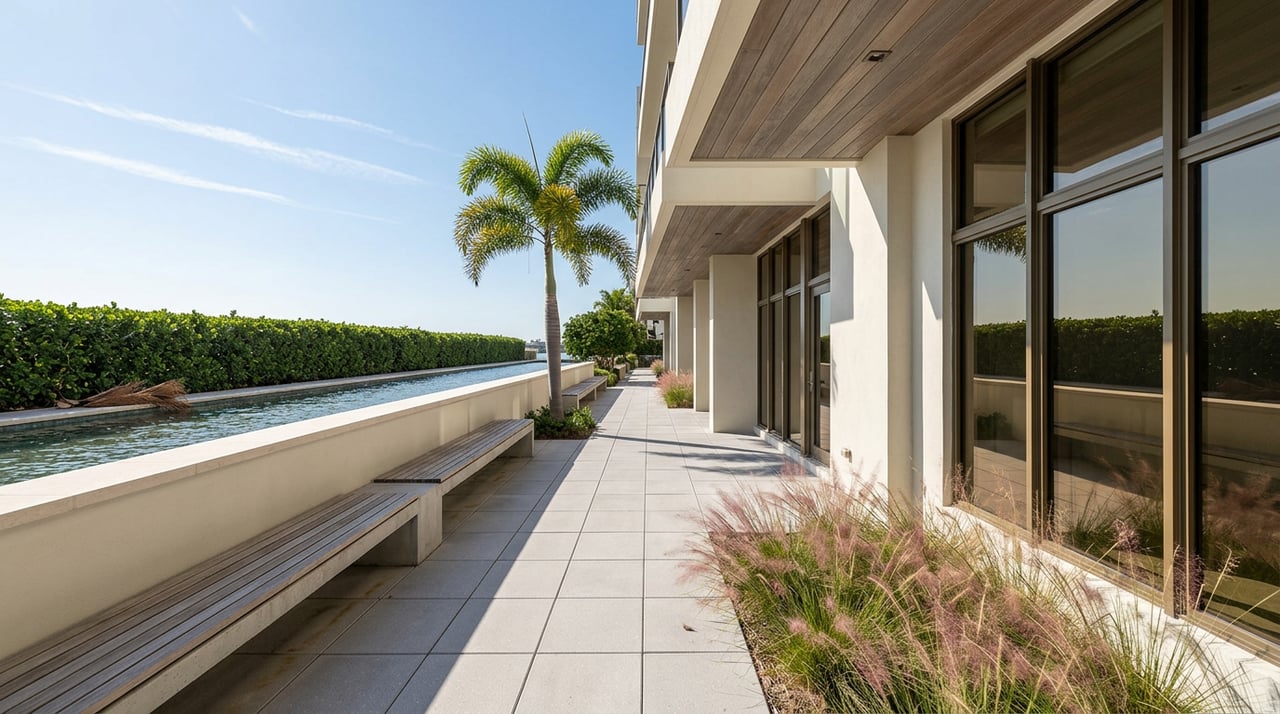
A big part of the appeal is the setting. Crandon Park offers beach access, golf, tennis, and eco-adventure features, while Bill Baggs Cape Florida State Park adds beach access and the historic lighthouse. For many buyers, that mix creates more of a resort-residential lifestyle than a typical condo experience.
Beach Access Is Not Always Simple
One of the most important details in Key Biscayne is beach access. It is easy to assume that every condo on the island offers the same level of direct access, but that is not always the case. The Village master plan noted that public access points within the Village itself were limited, while some condo residents had access through private or gated entryways, with public options available at Crandon Park and Bill Baggs.
That means you should treat beach access as a due diligence item, not just a map feature. A building’s documents may matter as much as the address. If direct or convenient access is part of your vacation plan, confirm exactly what comes with the unit before you move forward.
Key Biscayne Works Best for Certain Buyers
If you want a vacation condo that feels like a true island retreat, Key Biscayne is often a strong fit. It tends to appeal to buyers who value privacy, beach and park access, and a more residential setting over a high-tourism atmosphere. That can be especially attractive if you plan to use the condo yourself for part of the year.
It may be less ideal if your top priority is maximum short-term rental flexibility. This is not a nightly-rental market. In Key Biscayne, the ownership plan needs to match the building and local rules from day one.
Understand Rental Rules Before You Buy
Rental rules are one of the biggest checkpoints for any vacation-condo purchase. In practice, you need to look at two levels of restrictions:
- Local government rules
- The condo association’s declaration, bylaws, and house rules
According to Miami-Dade County, vacation rentals inside a municipality must follow that municipality’s rules, and owners must also comply with condo or HOA policies. A 2024 local report said Key Biscayne has enforced a 2011 ordinance that prohibits rentals of less than 15 days and requires a business tax receipt plus safety measures.
That is a critical point for buyers. Even if the Village allows rentals of 15 days or longer, your building may be more restrictive. Some associations may limit how often you can rent, require a waiting period after purchase, or set approval procedures for tenants.
Building Rules Can Shape Your Ownership Experience
In Key Biscayne, building-level rules can have a bigger effect on your lifestyle than finishes or views. Before you buy, ask for the documents that explain:
- Minimum lease terms
- Whether rentals are capped each year
- Any rental waiting period after closing
- Guest policies
- Move-in and move-out fees
- Parking rules
- Pet rules
- Use of amenities by renters
These details matter whether you are buying for personal use, seasonal stays, or occasional income. A condo that looks perfect online may not fit your goals if the association rules are too restrictive.
Carrying Costs Deserve Close Attention
Many buyers focus first on the purchase price, but the real story is often in the monthly and annual carrying costs. Key Biscayne is a coastal condo market, and that means insurance, reserves, and building maintenance should be part of your underwriting from the start.
The Village has identified flooding, sea-level rise, coastal erosion, storm pressure, and reliance on a single ingress and egress corridor as ongoing challenges in official planning materials. For you as a buyer, that makes building resilience and financial health especially important.
Older Coastal Condos Need Extra Review
Florida condo law has made reserve funding and structural review a much bigger issue, especially in older coastal buildings. Under Florida law, milestone inspections are required for condominium and cooperative buildings that are three habitable stories or more, generally at 30 years of age, or 25 years if the building is within three miles of the coast, with repeat inspections every 10 years thereafter.
Miami-Dade also has a recertification program with earlier deadlines for coastal buildings within three miles of the coast. Since Key Biscayne is a coastal market, you should expect building age, engineering reports, reserve studies, and pending repairs to directly affect dues and the risk of special assessments.
In other words, an attractive older building may still be a great purchase, but only if the numbers and compliance history make sense. This is one of the biggest reasons vacation-condo buyers should look beyond the unit itself.
What to Review During Due Diligence
If you are serious about buying, these are some of the most important documents and questions to review before closing:
- Declaration and bylaws
- Current budget
- Reserve study
- Milestone inspection or recertification status
- Special-assessment history
- Pending repairs or capital projects
- Insurance details at the building level
- Rental restrictions and approval process
- Parking allocation and guest parking rules
This kind of review is often more important than upgraded flooring or a renovated kitchen. A beautiful unit in a financially stressed building can become a much more expensive purchase over time.
Taxes Matter If You Plan to Rent
If you expect to rent the condo for part of the year, make sure you understand the tax side before you buy. The Florida Department of Revenue says transient rentals are subject to the 6% state sales tax plus any applicable discretionary sales surtax. Miami-Dade also imposes a 2% tourist development room tax and a 1% professional sports franchise facility tax on rentals of six months or less.
Miami-Dade further states that rentals or leases of living quarters for six months or less require registration for transient-tax purposes, monthly returns, and compliance with local rules. If no rental occurs in a given month, the county says a zero return still must be filed. That is an easy detail to overlook if you are buying from out of state or overseas.
Key Biscayne vs Other Waterfront Options
If you are still comparing locations, it helps to look at Key Biscayne alongside a few nearby alternatives.
Key Biscayne vs Miami Beach
Miami Beach often offers more condo inventory and a more tourism-driven setting. But official City of Miami Beach pages say short-term rentals are prohibited in certain residential areas for periods of less than six months and one day, and permitted vacation rentals require specific tax registrations.
For many buyers, Key Biscayne feels more private and residential. Miami Beach may offer more energy and visitor traffic, but Key Biscayne can be a better match if you want a quieter island setting and are comfortable with building-by-building rental review.
Key Biscayne vs Coconut Grove
Coconut Grove is a useful comparison if you want waterfront access without a beach-island setting. The City of Miami highlights assets such as Dinner Key Marina and mooring facilities, along with nearby parks and access to the Grove’s village core.
That makes Coconut Grove attractive if your lifestyle leans more toward marinas, boating access, and an urban village feel. Key Biscayne is usually the stronger fit if beach access, parks, and an island atmosphere are your top priorities.
What the Market Snapshot Suggests
Recent market data shows Key Biscayne remains a premium condo market. In Miami REALTORS’ Q4 2025 condo metrics, the 33149 zip code posted a median condo sale price of $1.275 million with 8.1 months of supply, according to the local market report.
For context, Miami Beach’s 33154 zip code showed a median condo price of $802,500 with 19.0 months of supply, while 33133, covering Coconut Grove and nearby areas, showed $1.2 million with 8.0 months of supply. That comparison helps show where Key Biscayne sits: it is not an entry-level beach condo market, and buyers are often paying for a very specific lifestyle product.
Seasonality Can Affect Your Plan
If your ownership strategy includes occasional rentals, seasonality matters. Greater Miami’s official tourism calendar points to winter as a major event season, while Miami-Dade also runs a heat-season public health campaign, based on regional visitor and climate patterns. A reasonable takeaway is that demand is often stronger in cooler months, holiday periods, and spring break, while summer can be softer and weather risk may be higher.
That does not mean a condo cannot perform well as a part-time rental. It means you should build expectations around seasonal demand, local rules, and building restrictions rather than assuming year-round uniform income.
A Smart Buying Approach for Key Biscayne
The best vacation-condo purchases in Key Biscayne usually happen when the unit, building, and ownership plan all line up. You want the lifestyle to work, but you also want the documents, reserves, and rental rules to support your long-term goals. In this market, details at the building level can matter just as much as the view from the balcony.
If you are weighing Key Biscayne against Miami Beach, Coconut Grove, or another South Florida waterfront option, a tailored comparison can make the decision much clearer. For a discreet, data-driven buying strategy with concierge-level guidance, connect with Ruben Chamorro.
FAQs
What should you check before buying a vacation condo in Key Biscayne?
- Review the condo declaration, bylaws, budget, reserve study, inspection or recertification status, special-assessment history, rental rules, parking rules, guest policies, and any waiting period before renting.
Are short-term rentals allowed for vacation condos in Key Biscayne?
- Key Biscayne has enforced rules that prohibit rentals of less than 15 days, and individual condo associations may have stricter limits, so you need to confirm both local and building rules.
Why are condo carrying costs important in Key Biscayne?
- Because Key Biscayne is a coastal market, insurance, reserve funding, inspections, recertification, and potential special assessments can significantly affect your true cost of ownership.
How does Key Biscayne compare with Miami Beach for vacation condo buyers?
- Key Biscayne generally offers a more residential island feel, while Miami Beach often has more inventory and tourism activity but can have tighter short-term rental restrictions in many areas and buildings.
Is Key Biscayne a good fit for occasional rental income?
- It can be, but only if the building’s rental rules, the Village requirements, and the tax and registration obligations all fit your intended use.