Choosing between a townhome and a condo in Coconut Grove, Fort Myers can shape your daily routine, monthly costs, and long‑term value. If you want a low‑maintenance lock‑and‑leave home near the River District, a condo might shine. If you prefer a private entry, garage storage, and a little yard, a townhome could be the better fit. In this guide, you’ll compare both options through a local lens, from HOA rules and inspections to insurance, walkability, and financing. Let’s dive in.
Coconut Grove, Fort Myers: location and lifestyle
Coconut Grove sits within Fort Myers in Lee County’s 33901 ZIP, close to the Caloosahatchee River and downtown’s River District. Some pockets are walkable to restaurants and riverfront paths, while others are more car‑dependent. Southwest Florida International Airport is generally about a 20 to 30 minute drive from downtown Fort Myers, depending on traffic. Because the area is near the river, always verify a property’s flood zone and elevation using Lee County’s GIS tools before you write an offer. You can look up parcel‑specific information on the county’s mapping portal at the Lee County GIS site.
What you’ll find: townhomes and condos
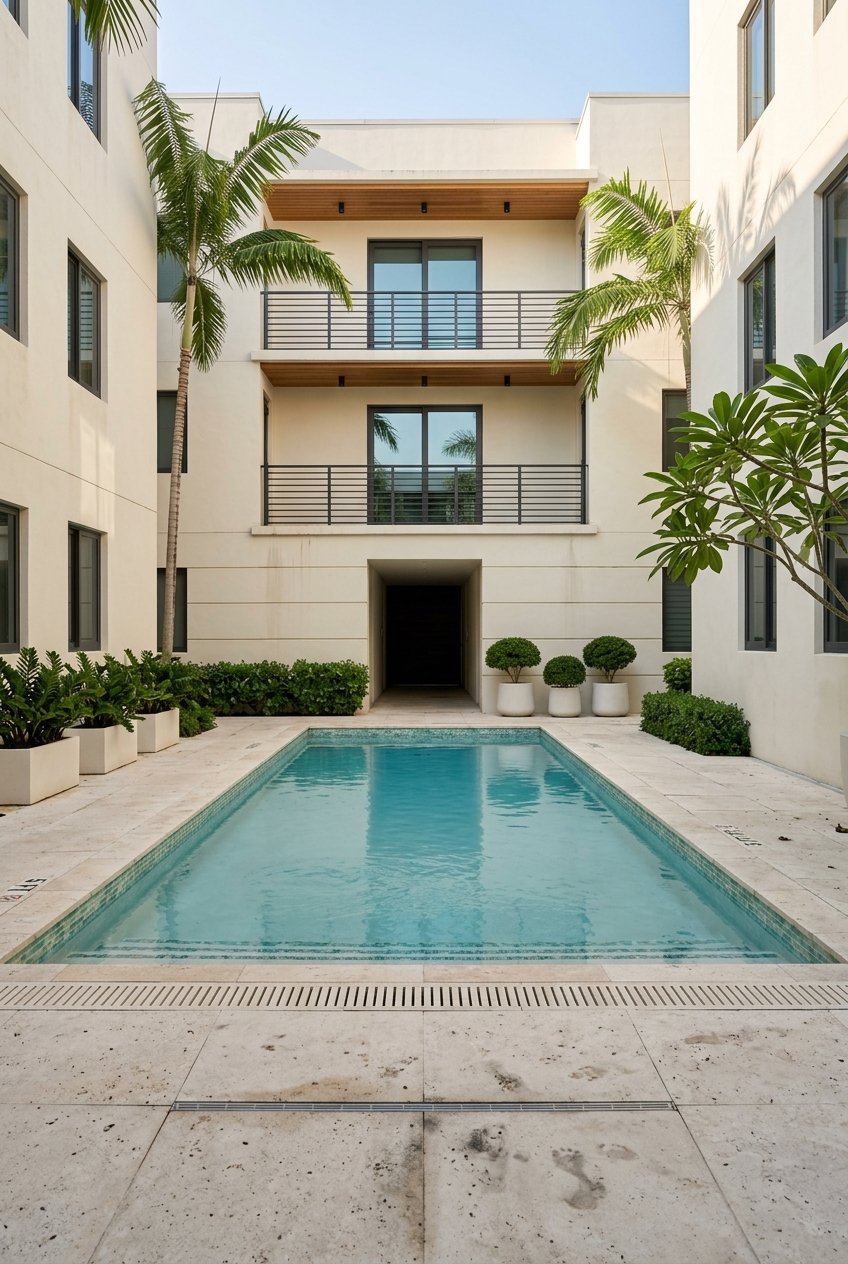
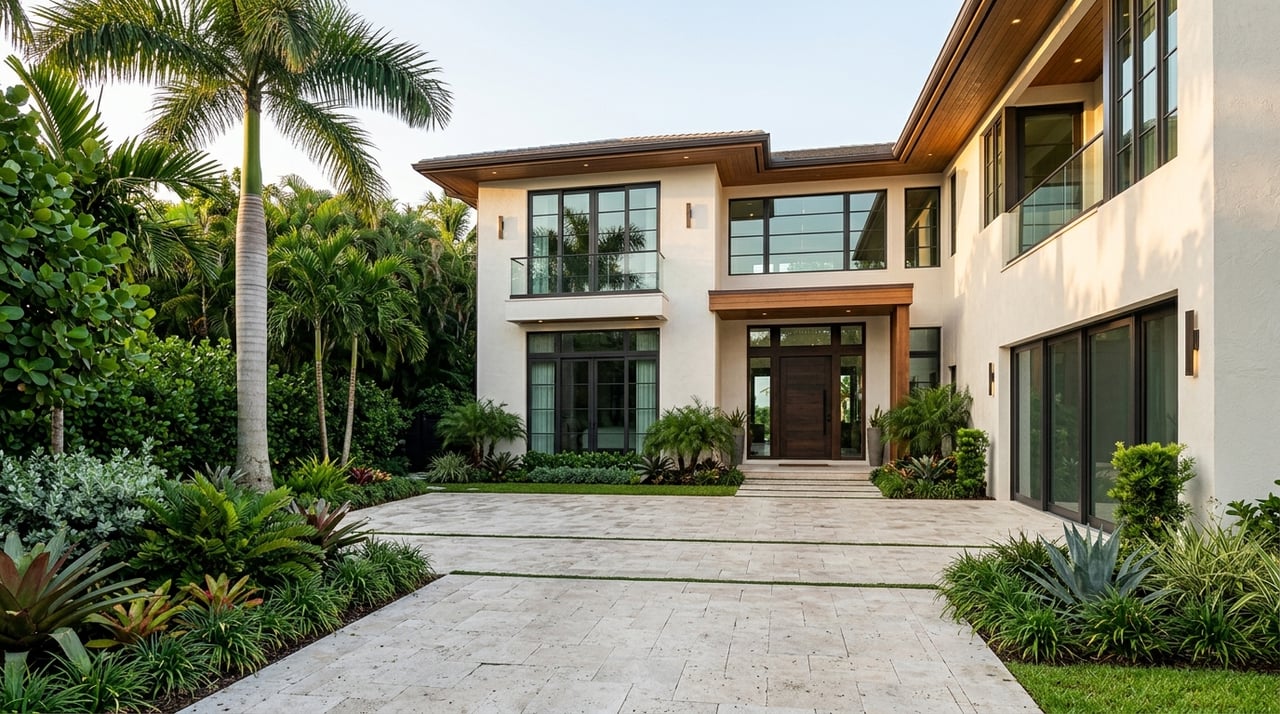
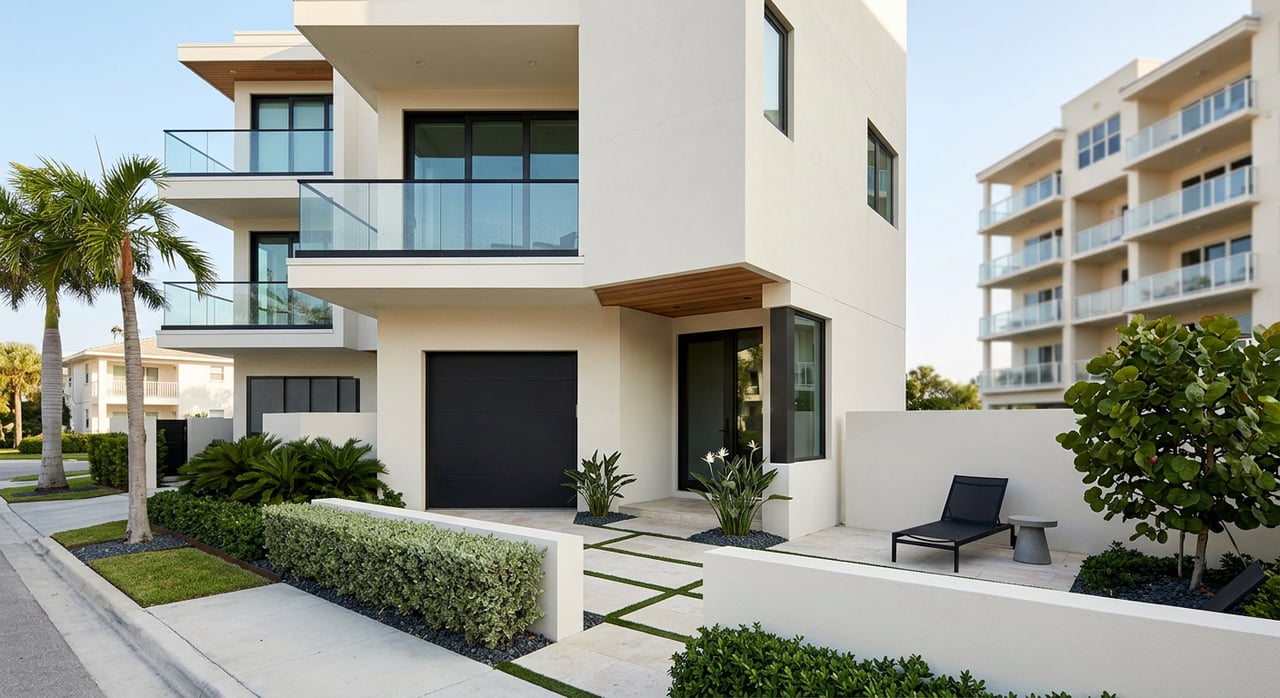
You’ll see a mix of 2 to 3 story townhomes from the 1970s through the 2000s and low‑ to mid‑rise condo buildings. Townhome communities often highlight private entries, attached garages, screened lanais, and shared pools. Many condos offer single‑level living with elevators, balconies, and centralized amenities like a fitness room and a community pool.
Neighborhood market pages have recently shown a 12‑month median sale price around 381,000 dollars and about four months of supply. Treat these as directional only, since neighborhood samples can be small and fast‑changing. If you’re comparing specific listings, verify live MLS data and ask for the most recent association budgets and fee schedules before you finalize your numbers.
Townhome vs condo: how they differ
Privacy and layout
- Townhomes typically provide more separation with a private front door, no lobby, and often an attached garage. Multi‑level layouts can keep sleeping areas upstairs and living space on the main level.
- Condos usually have entries off a shared corridor with elevators and lobbies. Corner or higher‑floor units can feel more private, but you share walls, halls, and common spaces more than in most townhomes.
Outdoor space and storage
- Townhomes are more likely to offer a fenced courtyard, small yard, or screened patio plus garage storage. If you garden, have pets, or need space for bikes and beach gear, this extra room can be a real advantage.
- Condos commonly provide balconies and shared courtyards. Storage varies by building. Some include assigned storage lockers and bike rooms. Review the declaration to see what is part of the unit, what is limited common element, and what the association insures.
Walkability and access
- Near the River District, you can often walk or bike to dining and waterfront amenities. Those conveniences can enhance your daily routine and future resale appeal.
- Inland clusters tend to be more car‑dependent. Map your most frequent routes to groceries, schools, and the airport to understand time tradeoffs.
HOA rules, fees, and the legal framework
Florida has distinct statutes for condominiums and homeowners’ associations. Condominiums fall under Chapter 718, Florida Statutes. Most townhome neighborhoods with an HOA, but not legally formed as a condominium, are governed under Chapter 720. These frameworks shape disclosures, records access, budgeting, and how rules are amended.
In practice, condo associations often carry building‑level responsibilities such as roofs, elevators, common‑area insurance, and more robust reserves. Fees can vary widely depending on age, amenities, and upcoming projects. Townhome HOAs in the area often report comparatively lower monthly dues and cover items like landscaping, community pools, and certain exterior elements. Some townhome communities list services such as lawn care, cable or internet, and even roof replacement in their dues packages. Always confirm what the association covers versus what you must insure or maintain.
Buyer action step: before you write an offer, request the resale or estoppel package, the last two to three years of budgets and financials, the current reserve study, and the most recent annual meeting and board minutes. These documents can reveal pending assessments, litigation, delinquencies, or rule changes. For a simple overview of what to ask for, review this guide to presale condo documents buyers request.
Maintenance, capital projects, and risk
If you buy in a condo building that is three stories or more, ask about Florida’s mandatory milestone structural inspections under F.S. 553.899. Phase I or Phase II findings can lead to significant capital projects and special assessments. Request summaries of any completed inspections and planned repairs.
Townhomes tend to have fewer large shared structural elements than mid‑ or high‑rise condos, but community roofs, roads, drainage, and any waterfront infrastructure still require reserves. Confirm whether your townhome is legally a condominium or fee‑simple with an HOA. That distinction determines who is responsible for items like the roof, exterior walls, and insurance deductibles.
Insurance and carrying costs
Florida property insurance is a notable ownership cost, and premiums have been volatile in recent years. Associations buy master policies, and unit owners carry interior coverage, often with loss‑assessment endorsements. Market analyses show Florida’s average homeowners premiums are high relative to many other states, with significant county‑by‑county variation. For background on statewide trends, see this overview of Florida insurance market pressures.
Buyer action step: obtain the association’s master policy declarations and request HO‑6 quotes that model the association’s deductible and potential loss‑assessment needs. A simple place to model typical condo policy components is this condo insurance cost estimator. Build these numbers into your monthly budget alongside taxes and HOA dues.
Financing, leasing, and resale value
Condo project approval and loans
Many lenders review a condo project’s financials, reserves, insurance, and owner‑occupancy to determine eligibility. If a building is not eligible under FHA, VA, or conventional guidelines, you may face larger down payment requirements or different loan programs. Start early by having your lender review the specific project. Here is a plain‑English look at how FHA condo approvals work.
Rental rules and local permitting
If you plan to rent seasonally or short term, there are three layers to confirm:
- Association rules in the declaration, bylaws, and rules and regulations.
- City or county permitting and business tax rules for transient rentals.
- State registration and tax remittance requirements.
Lee County provides FAQs about registration and tax collection that are helpful when you model rental scenarios. Start with the county’s transient rental and tax FAQ page. Association rules may limit lease frequency or minimum lease lengths, so verify before assuming income potential.
What drives resale in this area
Buyers often prioritize proximity to the River District, manageable monthly fees, clear reserves, and buildings with transparent maintenance plans. In townhome communities, private outdoor space, garages, and low‑stress landscaping are common draws. In condo buildings, elevators, single‑level living, and bundled services can appeal to downsizers and second‑home owners.
Which one fits your lifestyle?
- If you want a private entry, garage storage, and a small yard: a townhome usually fits best. It can feel more like a single‑family home with less exterior upkeep than a standalone house.
- If you prefer single‑level living, elevators, and bundled services: a condo can be ideal for downsizers and lock‑and‑leave owners who want building amenities.
- If you plan to rent seasonally: condos closer to downtown may align with demand, but confirm lease minimums and permitting. Some townhome HOAs work well for longer seasonal leases.
- If schools are part of your decision: addresses in Coconut Grove feed into Lee County Public Schools, which include options such as Allen Park, Edison Park, and Orangewood depending on the exact address. Always confirm current zoning before you decide.
Buyer due‑diligence checklist for Coconut Grove
Use this list before making an offer or during your contingency window:
- Estoppel/resale certificate with effective date, showing all fees, pending assessments, delinquencies, and any litigation. Florida law sets delivery timelines and caps on estoppel fees. A quick primer on key disclosures is here: What buyers request in presale/condo docs.
- Current year budget and the last two to three years of financials. Scan for rapid fee increases, operating deficits, or large payables.
- Reserve study and any Structural Integrity Reserve Study or milestone inspection summaries for 3‑story‑and‑up buildings. Review how capital projects will be funded. See F.S. 553.899.
- Board meeting minutes from the last 12 months. Look for recurring vendor issues, deferred maintenance, or board turnover.
- Insurance documents: master policy declarations, wind and flood policies, deductibles, and loss‑assessment coverage. Then get HO‑6 quotes that model those deductibles. A helpful modeling tool is this condo insurance estimator.
- Governing documents: declaration, bylaws, rules, and amendments. Confirm whether the community is a condominium under Chapter 718 or an HOA under Chapter 720.
- Financing: have your lender run a preliminary review of the unit and project. For FHA‑related context, see this overview of FHA approvals for condos.
- Flood and location checks: confirm the parcel’s flood zone and elevation using Lee County GIS. Price insurance accordingly and factor in evacuation and access routes.
The bottom line
Both options can work well in Coconut Grove, Fort Myers. Townhomes lean into privacy, storage, and a home‑like feel. Condos lean into single‑level convenience, shared amenities, and bundled services. Your best choice depends on how you want to live, what you want to maintain, and how you plan to finance and insure the home. If you want a tailored plan that weighs HOA rules, inspections, carrying costs, and resale prospects for your top picks, connect with Ruben Chamorro for a private consultation.
FAQs
What’s the key difference between Coconut Grove townhomes and condos in Fort Myers?
- Townhomes typically offer private entries, small yards, and garages, while condos provide single‑level living with shared corridors, elevators, and centralized amenities.
How do Florida condo milestone inspections affect buyers?
- Buildings three stories or more must complete milestone structural inspections under F.S. 553.899, which can lead to capital projects and potential special assessments you should budget for.
What HOA fees should I expect for local townhomes versus condos?
- Townhome HOAs often show lower monthly dues covering landscaping and community areas, while condo fees vary more because they include building‑level services; always verify the current budget, reserves, and any planned assessments.
Can I do short‑term rentals in Coconut Grove, Fort Myers?
- It depends on your association’s lease rules plus city, county, and state registration and tax requirements; start with the county’s transient rental and tax FAQ and confirm your building’s lease limits.
How does Florida insurance impact my monthly costs in Lee County?
- Premiums have been volatile statewide and can be higher than many states; review your association’s master policy and get HO‑6 quotes that model deductibles and loss‑assessment coverage, using tools like this condo insurance estimator.
How can I check a property’s flood zone in Coconut Grove?
- Use the county’s parcel‑level mapping at the Lee County GIS site to confirm flood zone, elevation, and nearby drainage or coastal features before you finalize your insurance and closing timeline.