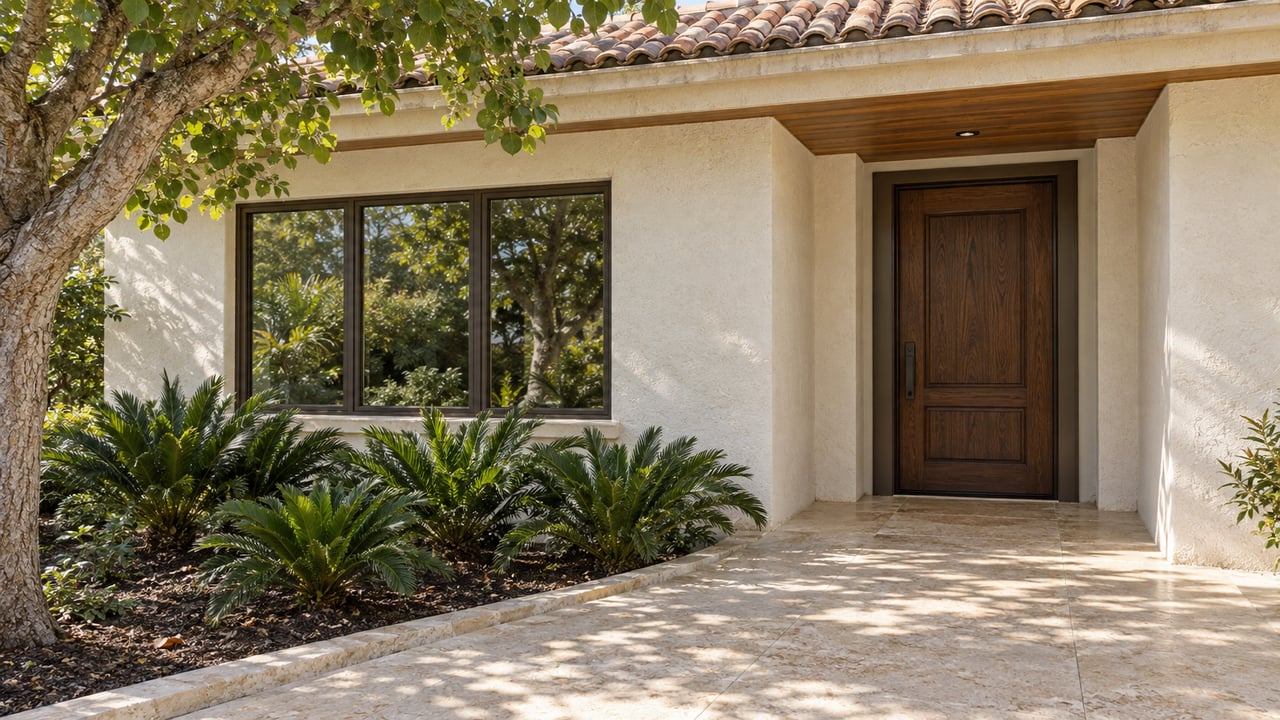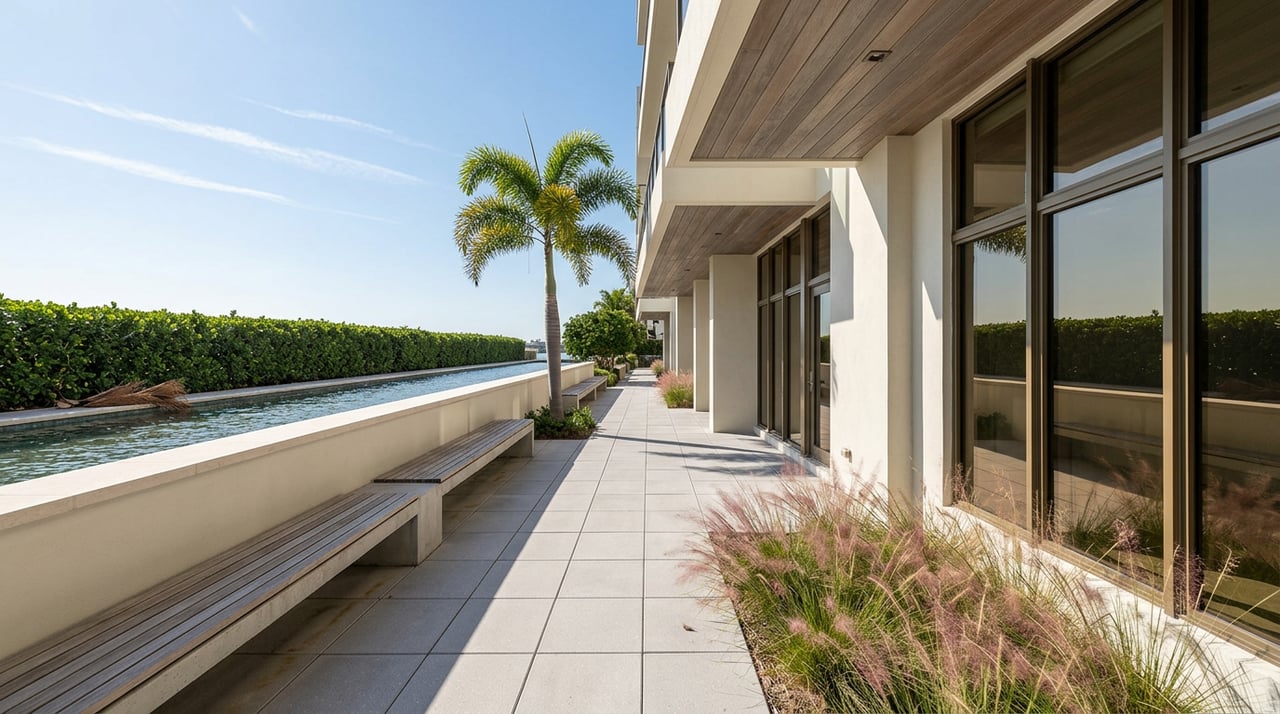
If you are deciding between a single-family home and a condo in Miami Beach, the choice is about more than square footage or amenities. In this market, your decision also shapes how much control, maintenance, and building oversight you take on in a coastal environment. Understanding those tradeoffs can help you buy with more confidence. Let’s dive in.
Why the Choice Matters in Miami Beach
Miami Beach has a setting that few places can match. The city sits on a low-lying barrier island with more than seven miles of beaches, bordered by the Atlantic Ocean and Biscayne Bay. It also offers public shoreline access through the nine-mile Beachwalk, which runs from South Pointe Park to 87 Street.
That same coastal setting also affects ownership. According to the city, 93% of buildings are in the FEMA Special Flood Hazard Area. So when you compare a house with a condo, you are also comparing two different ways of managing flood awareness, repairs, and long-term upkeep.
Single-Family Homes Offer More Control
For many buyers, the biggest draw of a single-family home is privacy and autonomy. You are not sharing common elements in the same way you would in a condominium, and you are generally not subject to building-wide rules to the same degree. That can be appealing if you want more direct control over how you use and maintain your property.
This option can also make sense if outdoor space matters to you. A detached home may give you more room to manage landscaping, exterior features, and waterfront improvements, depending on the property. In Miami Beach, that kind of control is often part of the lifestyle appeal.
What ownership really includes
With that freedom comes responsibility. Miami Beach’s interactive permit guide shows that items such as fences, pools, roofing, windows and doors, seawalls, and docks can fall under the owner’s responsibility and may require approvals or permits.
If you are considering a waterfront house, private dock or seawall access may be a major benefit. But seawall work in particular requires both DERM approval and a building permit. In other words, direct access often comes with direct upkeep.
A simpler structural oversight picture
Another point in favor of single-family ownership is that some building rules that affect condos do not apply here. Miami-Dade’s building recertification information notes that single-family residences are exempt, and Florida’s milestone inspection and structural reserve study requirements do not apply to single-family, two-family, three-family, or four-family dwellings with three or fewer habitable stories above ground.
That does not mean maintenance disappears. It simply means you are usually dealing with your own property’s needs rather than building-level compliance shared across many owners.
Condos Simplify Day-to-Day Maintenance
A condo can be a strong fit if you want a more managed ownership experience. Under Florida condominium law, the association is responsible for maintaining the common elements, except where limited common elements are assigned differently in the declaration. That structure often appeals to buyers who want a lock-and-leave lifestyle in Miami Beach.
For some buyers, this is the biggest advantage of condo living. You may have less direct responsibility for many building-wide systems, and the day-to-day experience can feel more streamlined than owning a detached home. If you travel often or want easier upkeep, that trade can be worth it.
Shared maintenance means shared governance
The same framework that creates convenience also creates limits. Condo declarations and associations can regulate use, occupancy, and transfer. That means condo ownership usually involves more building governance and less private control than owning a house.
This is not necessarily a drawback. It simply means you should go in with clear expectations about how the building operates and what decisions are handled by the board or association.
Fees and assessment exposure
Condo buyers should also understand the financial side of shared ownership. Florida’s condominium statute on reserves and assessments requires structural integrity reserve funding to be addressed through regular assessments, special assessments, lines of credit, or loans.
In practical terms, that means condo ownership can involve monthly fees and the possibility of special assessments. Miami Beach’s recertification page even notes that condo owners facing special assessments may seek assistance, which highlights how important this issue can be in older buildings.
Condo Buildings Face More Oversight
In Miami Beach, condos are not always as hands-off as buyers expect. For buildings that meet the legal thresholds, Florida milestone inspection rules require additional structural review and reserve planning. Miami Beach also highlights mandatory recertification for older buildings.
This matters because the age and structure of the building can directly affect ownership experience. Before you buy a condo, it is smart to understand the building’s maintenance history, reserve planning, and any known recertification or inspection timelines.
Rental Rules Are Limited Either Way
Some buyers assume a house offers more rental flexibility than a condo. In Miami Beach, that is not necessarily true.
The city defines short-term rentals as stays of less than six months and one day, and says they are prohibited in all single-family homes and in many multifamily buildings in certain zoning districts. Where short-term rentals are allowed, the property must meet zoning requirements and have the proper local registrations.
Condo rentals can require another layer
Even where short-term rental use is allowed by the city, condo owners may face another approval step. Miami Beach’s short-term rental requirements include a current letter from the association confirming that short-term rental is allowed for that specific unit.
That means rental flexibility depends on both city rules and condo rules. If rental use is part of your decision, this is an area where details matter.
Flood Awareness Applies to Both
No matter which property type you choose, flood awareness is part of ownership in Miami Beach. The city’s flood information encourages insurance awareness even beyond federally backed mortgage requirements, because the local environment affects nearly everyone here.
That is why the condo-versus-house decision should include practical questions such as:
- How much exterior maintenance do you want to manage yourself?
- How comfortable are you with association governance?
- Do you want direct control over waterfront or outdoor features?
- Are monthly fees or special assessments a concern?
- How important is a lock-and-leave lifestyle?
Which Option Fits You Best?
A single-family home is often the better fit if you value privacy, outdoor control, and the option to directly manage features like docks or seawalls. It can also appeal to buyers who prefer fewer building-level oversight requirements and more direct decision-making.
A condo is often the better fit if you want ocean-adjacent convenience, shared maintenance, and a more managed lifestyle. For many buyers, the appeal is simplicity, especially when compared with the hands-on demands of a detached property in a coastal market.
In Miami Beach, the real tradeoff is usually not just house versus condo. It is private responsibility versus association governance.
If you want tailored guidance on how these ownership models align with your goals in South Florida, Ruben Chamorro offers a discreet, concierge-level approach to buying and selling with local insight and personalized strategy.
FAQs
What is the biggest difference between single-family and condo living in Miami Beach?
- The biggest difference is usually control versus shared governance. A single-family home gives you more direct responsibility and decision-making, while a condo typically offers shared maintenance through an association.
Are condos easier to maintain than single-family homes in Miami Beach?
- Often, yes. Condo associations are generally responsible for common elements, which can make day-to-day ownership feel easier than managing a detached home’s exterior systems and improvements on your own.
Do single-family homes in Miami Beach have fewer building oversight rules than condos?
- In many cases, yes. Single-family residences are exempt from Miami-Dade recertification rules referenced here, and certain Florida milestone inspection and reserve study requirements do not apply to typical single-family homes.
Can you use a single-family home as a short-term rental in Miami Beach?
- No. The city says short-term rentals, defined as stays of less than six months and one day, are prohibited in all single-family homes.
Do Miami Beach condos allow short-term rentals?
- Some may, but it depends on zoning, city requirements, and association approval. Even where the city allows it, the owner may need a letter from the association confirming that short-term rental is allowed for the specific unit.
Does flood risk matter for both condos and houses in Miami Beach?
- Yes. Miami Beach states that 93% of buildings are in the FEMA Special Flood Hazard Area, so flood awareness and insurance planning are relevant for both property types.