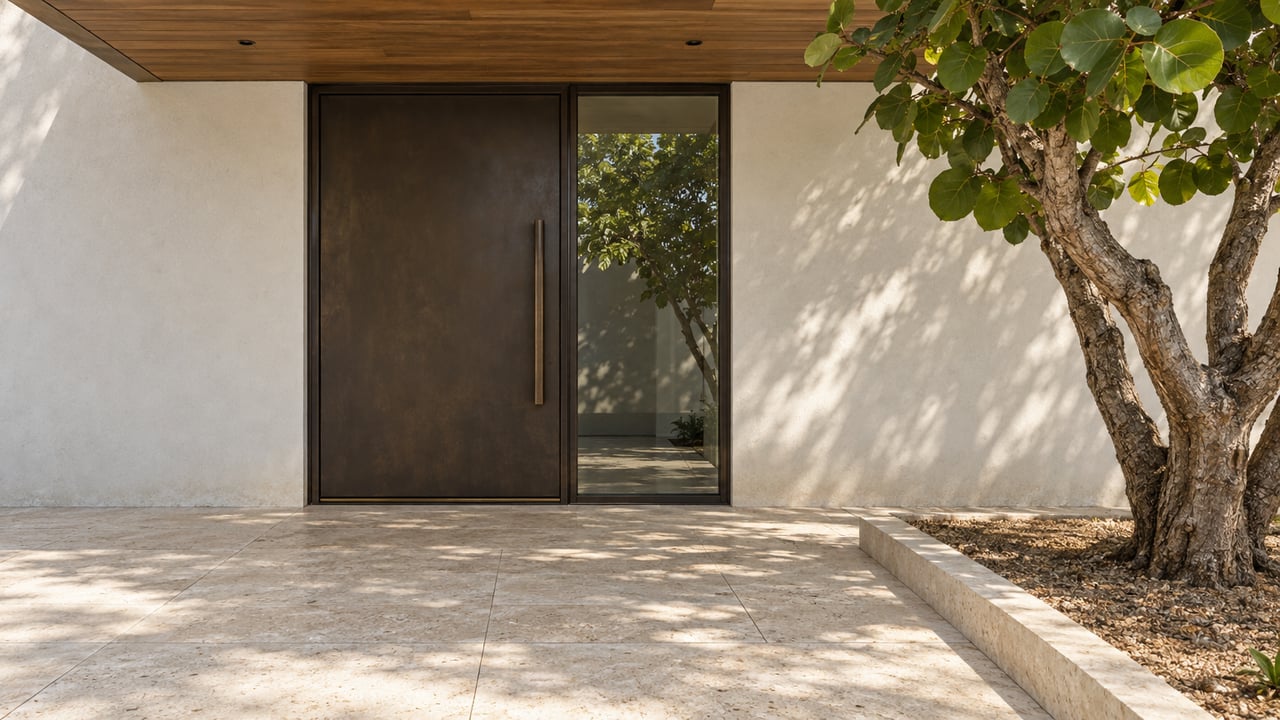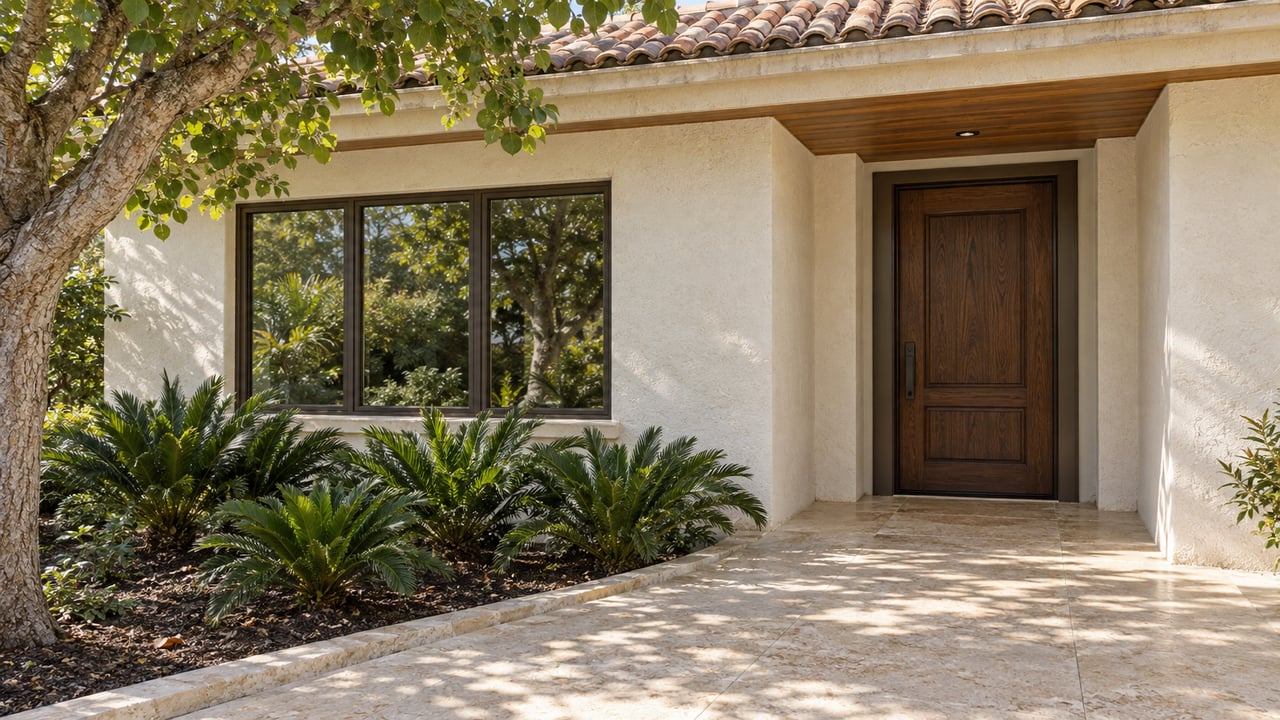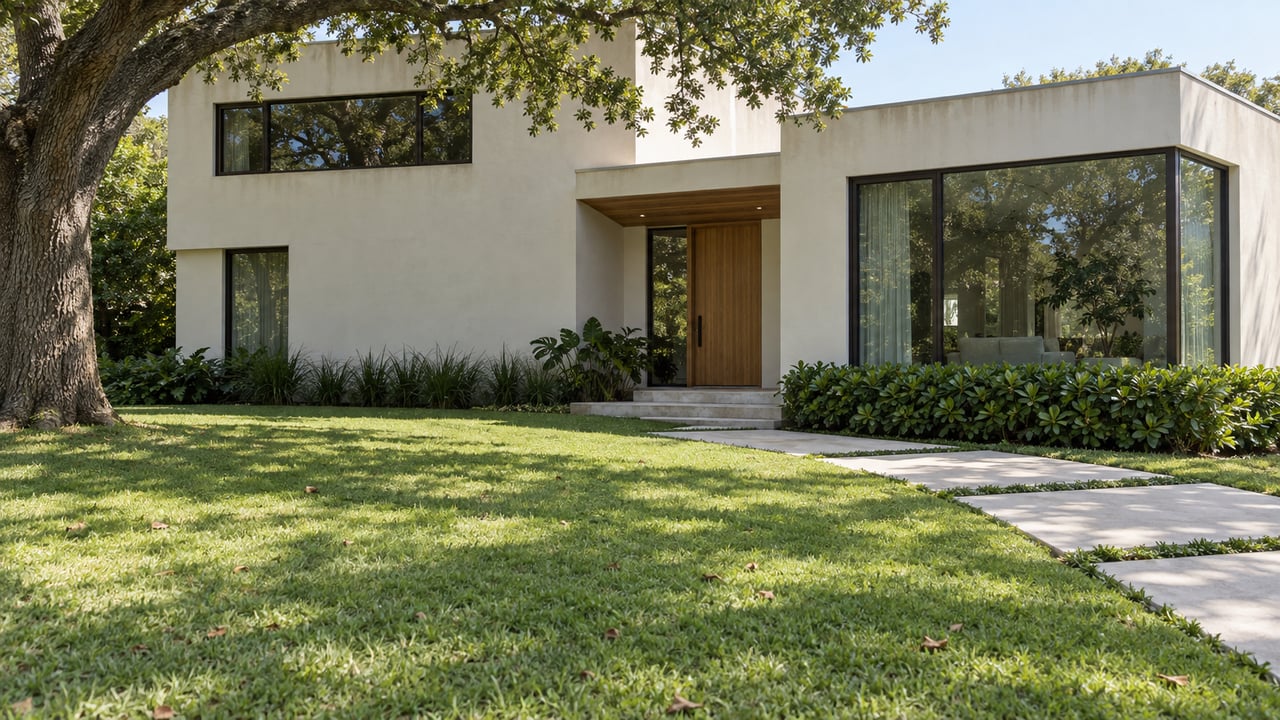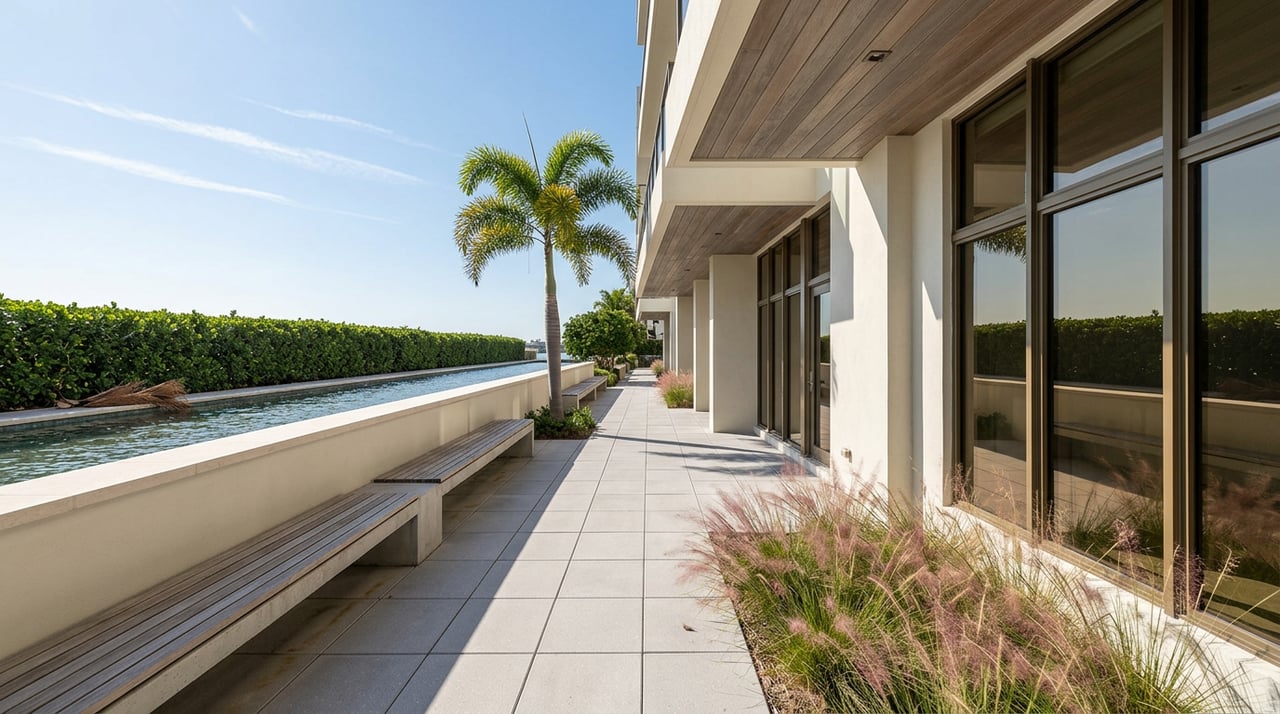
Imagine waking up to the sound of the ocean, grabbing your coffee, and walking or biking to the beach in under ten minutes. That is daily life on Key Biscayne. If you are weighing a move or a seasonal home here, you likely want a clear picture of what the island offers beyond postcard views. In this guide, you will get an insider look at the amenities, housing choices, and practical rhythm of living in this coastal village. Let’s dive in.
Why Key Biscayne works
Key Biscayne is a small, residential barrier island just southeast of downtown Miami. It connects to the mainland by the Rickenbacker Causeway, which keeps the village feel intact while still offering quick access to Coconut Grove, Brickell, and Coral Gables. The resident population is modest compared with the rest of Miami-Dade County, so you get quieter streets outside of peak seasons.
The climate is warm year-round, which puts outdoor living at the center of your lifestyle. You will feel the seasonal swing more in winter and spring when visitors arrive, but the village remains purpose-built for residents first, with its own municipal services, parks, and local rules.
Beaches and parks you will use
Crandon Park
Crandon Park is a family favorite. You have long, shallow beaches, picnic areas, tennis facilities, and a public golf course. It functions like a backyard for many residents, especially on weekends and after school. Expect parking demand and beach crowds to rise on holiday weekends and during high season.
Bill Baggs Cape Florida State Park
At the southern tip, Bill Baggs Cape Florida State Park offers beaches, walking and nature trails, picnic pavilions, and the historic Cape Florida Lighthouse. It is quieter on weekdays and perfect for sunrise walks, biking, or a low-key beach day. Rules and hours are posted by park management, and capacity can be limited on busy days.
Beach access and stewardship
Key Biscayne’s beaches are managed with conservation in mind. During sea turtle nesting season, lighting and beach access rules become more strict, and dune restoration areas are protected. These measures help safeguard wildlife and shape how nighttime activities work along the beachfront. If you plan to live oceanfront, it is smart to understand how these rules affect exterior lighting and beach access.
Boating, marinas, and the water
Where to keep a boat
Boating is a core part of island life. You have quick access to Biscayne Bay and the Atlantic, with public and private marinas on and near the causeway. Slip supply is tight and often waitlisted. If boating is essential to your lifestyle, check membership requirements, slip dimensions, and typical wait times early in your search.
A day on the water
With calm bay waters most days, you can plan fishing, sandbar meetups, or sailing with minimal prep. Families often schedule weekends around early launches to beat crowds and wind. Many clubs and programs offer youth sailing and boating safety that fit well with school calendars.
Practical boating tips
- Verify trailer and boat ramp rules and hours ahead of time.
- Confirm navigation depths and your vessel’s draft before committing to a slip.
- Ask about storm protocols for boats during hurricane season.
Clubs, sports, and social life
Tennis, golf, and fitness
Tennis, golf, and fitness are island staples. Crandon Park provides public tennis facilities and a public golf course. Private clubs add training, clinics, and social calendars. Some clubs limit guest access and may have dues, fees, or waitlists, so factor that into your timing if club life is important.
Youth programs and camps
From sailing and swimming to soccer and tennis, youth programs ramp up after school and in peak season. Registration windows can fill fast. Families often build weekly routines around practices and weekend matches, which helps newcomers plug into the community quickly.
Dining, retail, and daily services
Key Biscayne’s compact commercial corridor covers the essentials. You will find grocery options, pharmacies, cafes, restaurants, and boutique retail. For specialty shopping, major entertainment, and medical specialists, most residents head to nearby mainland hubs. Prices on the island can run a bit higher than inland options, so many households plan a weekly mainland run for larger shops.
Getting around and commuting
The Rickenbacker Causeway is your single car link to the mainland. Commute times vary with rush hour and special events, so plan accordingly. On-island, walking and biking are common for short trips, and local bus service connects to mainland transit nodes. Parking is managed by local rules, and event days can increase demand near parks and beaches.
Housing: condo vs single-family
Condos at a glance
Condos make up most of the housing stock. They range from mid-rise to high-rise buildings along the bayside and oceanfront, and many offer pools, gyms, security, and direct beach or bay access. Monthly fees cover common areas, reserves, some insurance, and sometimes utilities. Building rules are important to review, including rental policies, guest procedures, pet limits, and hurricane protocols.
Single-family homes at a glance
Single-family homes are fewer in number and typically command a significant premium. You gain private outdoor space, more autonomy over your property, and options for larger lots or estate-style living. Inventory is limited by the island’s geography, so timing and readiness matter if you prefer a house.
Which fits your lifestyle
- Choose a condo if you want lower day-to-day maintenance, on-site amenities, and a lock-and-leave setup for seasonal use.
- Choose a single-family home if you want more privacy, outdoor entertaining space, and fewer building rules. Expect higher purchase prices and more direct responsibility for maintenance.
HOA, fees, and building governance
In condos, monthly fees vary with amenity level and building scale. Ask for association financials, reserves, and assessment history. Review rental policies carefully. Some buildings welcome seasonal rentals with minimum stays while others restrict or prohibit them. If you plan to offset costs with rental income, bylaws will determine what is feasible.
Insurance and resilience
Key Biscayne’s coastal setting brings real considerations. Some properties sit in FEMA flood zones, and lenders may require flood insurance accordingly. Wind coverage is a factor during hurricane season, and impact windows or shutters can improve both safety and insurability. Building age and compliance with modern codes can influence coverage options and premiums. Long-term county and village planning also focuses on adaptation to sea-level rise.
Schools and family life
Families value the local K–8 public school in the village, along with robust youth sports and after-school options. For high school, students are typically assigned to mainland schools based on district boundaries. Many families also consider nearby private schools in Coconut Grove, Coral Gables, and Pinecrest. If schools are central to your decision, confirm assignments directly with the district and plan commute logistics.
Cost and market notes
Housing prices on Key Biscayne tend to run higher than the county average. Limited land, waterfront premiums, and strong amenity access drive that dynamic. Inventory, especially for single-family homes, can be tight, and competition for standout properties is common in peak seasons. If you are buying with investment or part-time use in mind, building rules for rentals become a key filter in your search.
Everyday essentials to know
- Utilities are provided by major regional providers, and internet options vary by building. Ask about fiber availability during due diligence.
- Condo buildings may set delivery windows and package protocols. Plan ahead if you rely on frequent deliveries or contractors.
- There is no major hospital on the island, so you will use nearby mainland facilities for specialized care. Local options support routine and urgent needs.
- Pet ownership is common. Follow leash laws and posted rules. Some beaches and parks restrict dogs in certain areas or during certain hours.
- Local police and fire serve the island. Crime levels are generally lower than in denser urban areas, though beach and petty theft can occur. Simple precautions go a long way.
Relocation checklist for Key Biscayne
- Confirm your property’s FEMA flood zone and, if available, review the elevation certificate. Get sample flood and wind insurance quotes early.
- Review condo or HOA bylaws for rental policy, pet rules, assessments, reserves, and disaster plans.
- Visit in winter and summer to see how crowds, traffic, and community rhythm shift.
- If boating matters, inquire about marina slip availability, waitlists, and membership steps before you buy.
- Confirm school assignments and look at after-school and camp options that fit your schedule.
- Test your commute during typical rush hours and on weekends during park events.
- Budget for coastal costs, including insurance, maintenance, and slightly higher prices for some island goods and services.
- Enroll in local emergency alerts and understand evacuation procedures well before hurricane season.
Is Key Biscayne right for you?
If you want an island lifestyle with walkable beaches, a strong boating and club culture, and a true village feel minutes from Miami’s urban core, Key Biscayne is a compelling fit. The tradeoff is a price premium, limited single-family inventory, and the need to plan around a single causeway and coastal insurance. With thoughtful due diligence and the right guidance, you can find a home that matches how you live today and where you want to be long term.
When you are ready to explore condos with resort-style amenities or private single-family homes, connect with a trusted advisor who understands both the lifestyle and the fine print. For a private consultation and a curated property shortlist, reach out to Ruben Chamorro.
FAQs
What is the commute from Key Biscayne to downtown Miami like?
- The island connects to the mainland via the Rickenbacker Causeway. Commute times vary with rush hour and events, so plan for potential congestion during peak periods.
How does hurricane season affect daily life on Key Biscayne?
- June through November brings heightened planning for wind, storm surge, and possible flooding. Review your property’s flood zone, insurance needs, and local emergency procedures.
What are the key differences between condo and single-family living on the island?
- Condos offer lower maintenance and on-site amenities with association rules and fees. Single-family homes provide more privacy and outdoor space, but they are rarer and typically more expensive.
Where can residents access the beach on Key Biscayne and what should they expect?
- Crandon Park and Bill Baggs Cape Florida State Park offer beach access with posted rules, parking fees at managed parks, and higher crowds on holiday weekends and during peak season.
Which schools serve families living on Key Biscayne?
- The village has a local K–8 public school. High school assignments are on the mainland and depend on district boundaries. Nearby private schools are also common choices.
Can I rent out my Key Biscayne condo seasonally?
- Rental policies vary by building. Some allow seasonal rentals with minimum stays, while others restrict or prohibit short-term rentals. Always review the building bylaws before you buy.