Is your Coral Gables estate ready for the spotlight, but you are unsure where to price it? You are not alone. Large, architecturally distinct homes do not trade like typical single-family listings, and a guess at price can cost you real money. In this guide, you will see how a data-backed CMA, architectural and lot-based positioning, premium staging, and a smart launch plan work together to maximize your proceeds. Let’s dive in.
Why precision pricing matters in Coral Gables
Coral Gables estates are unique. The buyer pool is smaller, properties are more varied, and marketing periods can be longer than for standard homes. According to local MLS insights and Miami Association of Realtors market commentary, luxury sales can also be sensitive to global capital flows and seasonal shifts in demand.
That means pricing must be precise, not hopeful. With fewer true comparables, you need a rigorous CMA that blends historic sales, current actives, and pending deals, and accounts for market direction. A well-supported price reinforces buyer confidence, protects your time on market, and positions you to negotiate from strength.
How Ruben builds a Coral Gables CMA
Define your estate
The first step is clarity. Your CMA will define the property category by lot size, finished square footage, bedroom and bath count, amenities, and whether it is waterfront or in a gated enclave. It will also outline your likely buyer profile, including the mix of owner-occupiers and international or second-home buyers.
Find true comparables
For estates, the comp radius expands to capture similar properties across Coral Gables and adjacent micro-markets when appropriate. Closed sales come first, then pendings, then actives, with withdrawn or expired listings reviewed to learn where the market rejected pricing. Due to scarcity, the CMA may use 12 to 24 months of sales to find valid matches.
Adjust for market movement
When the market is shifting, older comps are adjusted using year-over-year or month-over-month trends from local market reports. In a fast-changing environment, more weight is placed on the most recent pendings and newly closed sales. This produces a value that reflects today’s buyer behavior, not last season’s.
Quantify value drivers
Price per square foot is a starting point, not the answer. Adjustments are made for:
- Lot size and usable land, including privacy and mature landscaping.
- Waterfront type and access, from deep-water dockage to canal or bayfront.
- Architectural pedigree or historic designation, balanced against restoration or maintenance needs.
- Condition and upgrades, like modern kitchens and baths, impact windows and roof, seawall status, and hurricane resilience.
- Site amenities such as a guest house, staff quarters, garage count, pool orientation, tennis courts, and smart home systems.
- View and orientation, including water, city, or golf vistas.
These adjustments use local MLS evidence, Miami-Dade County Property Appraiser records, and patterns seen in luxury broker reports. For attributes with limited hard data, the CMA presents ranges with clear rationale.
Present a clear price range
You receive a tight recommended list price range and an expected sale price band with best, median, and conservative outcomes. The CMA includes estimated marketing time, seller net sheets at different price points, and monthly holding cost sensitivity. This is your decision matrix for pricing and launch strategy.
Positioning by architecture and lot
Historic Mediterranean estates
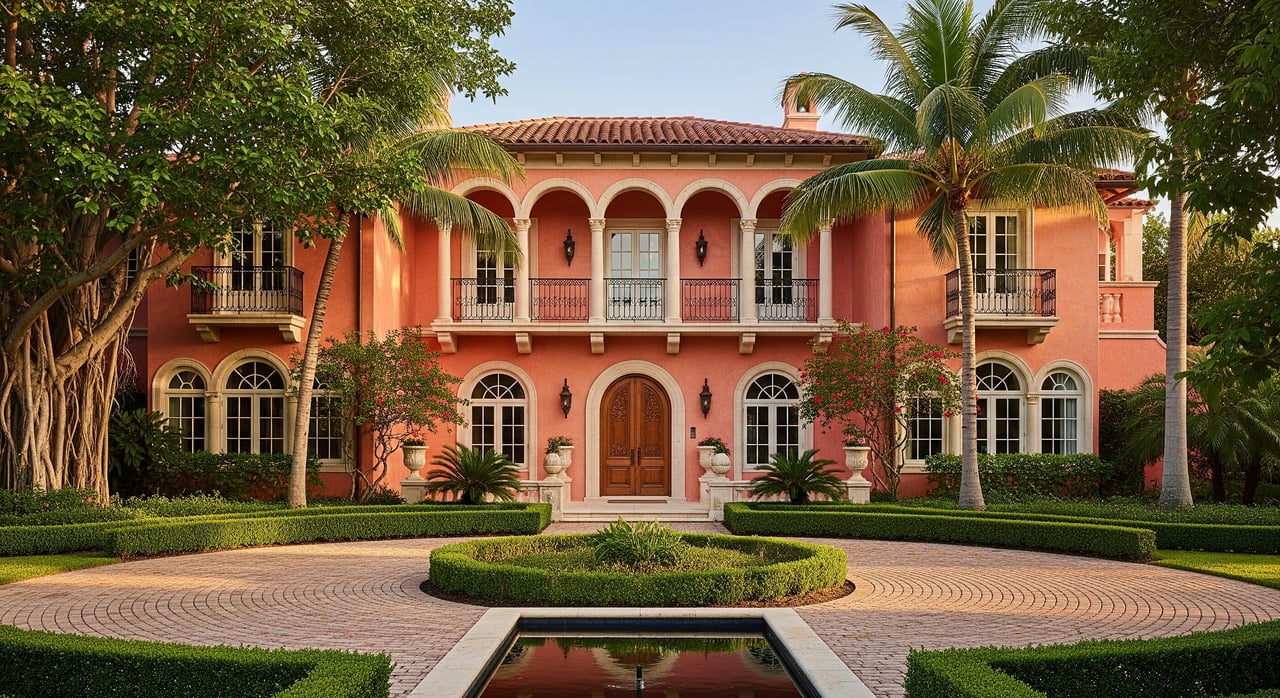
If your home is Mediterranean Revival or carries historic significance, the audience values provenance and original details. The marketing emphasizes tile roofs, arched loggias, millwork, and historic paperwork where applicable. Because Coral Gables has design review and preservation rules, having permit histories and documentation ready can build buyer confidence.
Modern and transitional estates
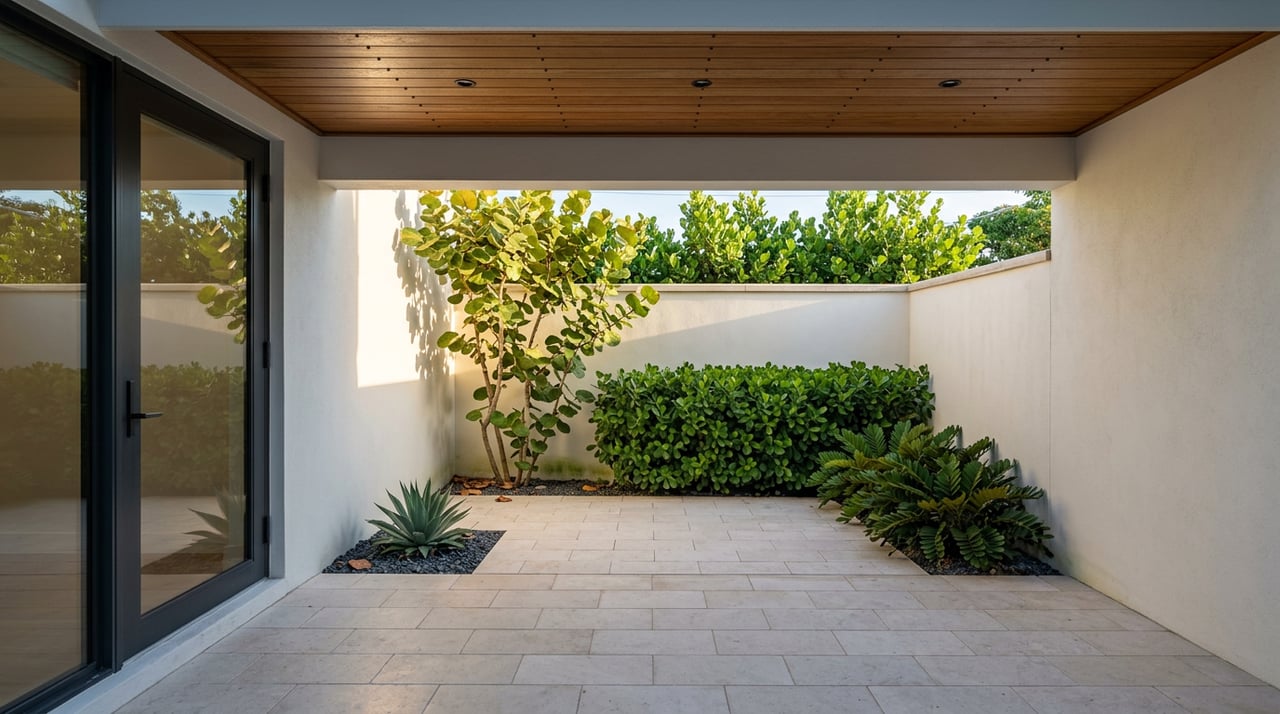
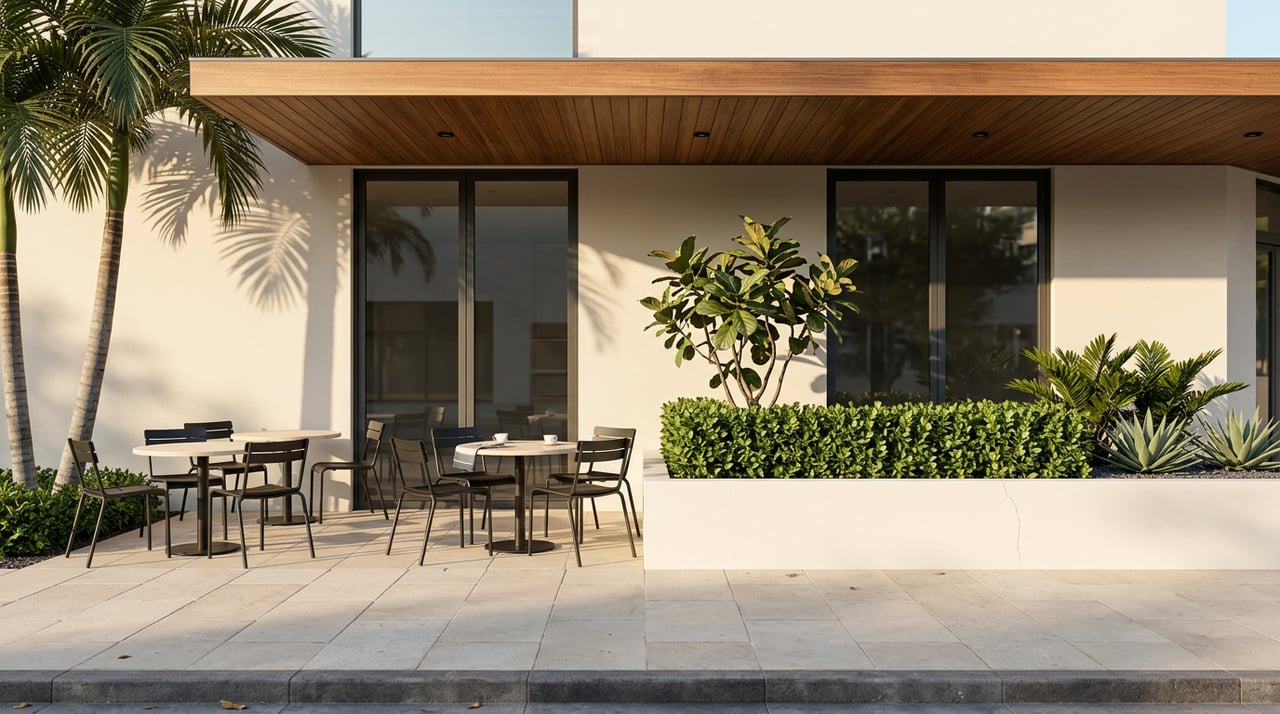
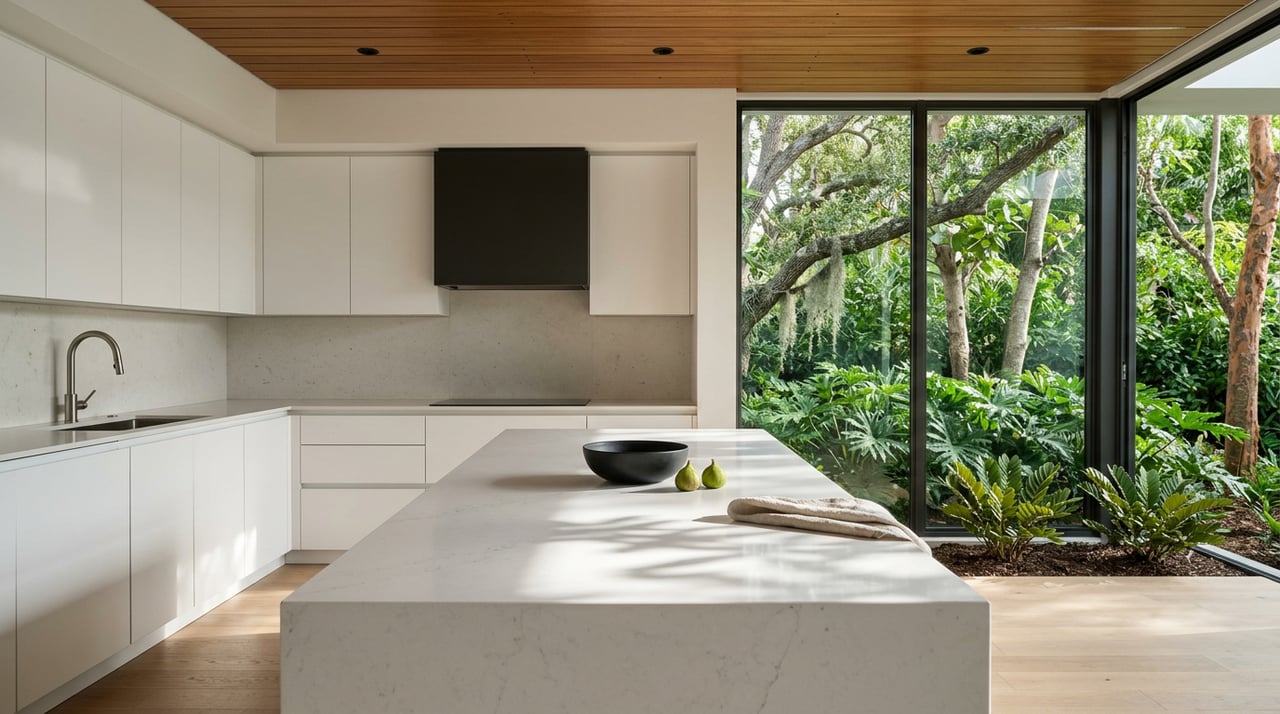
Contemporary or remodeled homes are positioned around open layouts, updated systems, and performance features. Highlight recent mechanical upgrades, smart home tech, and hurricane readiness. Show before-and-after visuals and permits to validate the scope and quality of work.
Waterfront and land value
Waterfront commands a premium, but details matter. Deep-water dockage, seawall condition, dock capacity, and proximity to Biscayne Bay are key talking points. For large parcels, staging the gardens, terraces, and outdoor kitchens demonstrates how the land lives and entertains, which strengthens the perceived value.
Privacy, resilience, and amenities
Security gates, long drives, guest or staff quarters, and generator capacity are meaningful to high-end buyers. Emphasize hurricane resilience, permitted expansions, and any flexibility in the site plan. These elements can move a buyer from interest to offer.
Staging and media that sell estates
Presentation shapes both price and time on market. Industry research from real estate associations consistently finds that professional staging and high-quality media improve buyer response and speed of sale, especially in the luxury segment.
Staging priorities
- Preserve architectural character with complementary furniture and finishes.
- Stage indoor-outdoor living. Style loggias, terraces, and pool decks as primary spaces.
- Use scaled furniture so grand rooms feel inviting instead of cavernous.
- Refresh the landscape, pressure wash, deep clean, and complete minor repairs.
- Prepare documentation on mechanicals and upgrades for showings.
Must-have media
- High-resolution photography, including twilight and landscape shots.
- Aerial and drone footage to show lot size, waterfront, and neighborhood context.
- 3D tour and measured floor plans for remote and international buyers.
- A short cinematic video plus a brief trailer for social channels and broker outreach.
- A single-property website and a premium printed brochure for on-site showings.
Timing and ROI
Complete staging and media before you go live. For top-tier listings, a broker preview week before public launch can create early momentum and refine the narrative with real feedback. Targeted staging of key rooms and outdoor areas often delivers the highest return on investment.
Launch plan for maximum proceeds
Pre-launch checklist
- Finalize the CMA, price range, and net sheet scenarios.
- Confirm permitting and documentation packages for additions, seawalls, roofs, and major systems.
- Complete staging and book professional photo, video, drone, floor plans, and 3D tour.
- Build your single-property site and prepare the brochure and broker packet.
Listing strategy that works
- Precision pricing is recommended for most estates. It keeps buyer trust high and limits the risk of extended days on market.
- Aspirational pricing can limit showings and often leads to reductions that weaken your negotiation leverage.
- Underpricing to spark a bidding war is less reliable for unique estates with smaller buyer pools.
Offer review and negotiation
Set a clear review plan. Evaluate offers by net proceeds, contingencies, timeline, and proof of funds for cash. For financed offers, look closely at appraisal and inspection terms. Expect detailed inspections on estates and be prepared to address big-ticket findings with credits or adjustments.
Post-offer diligence
Gather all required disclosures and support documents early. For historic or architecturally significant homes, have designation paperwork and restoration records ready. Coordinate inspections and any agreed work with vendors who understand estate properties.
Suggested timeline
- Weeks −2 to 0: CMA finalized, staging and repairs complete, media produced.
- Week 0: Broker preview and private showings. Refine marketing narrative. Go live on MLS.
- Weeks 1 to 6: Focused marketing window. Review and respond to offers per plan.
- Under contract: Complete due diligence through closing with proactive coordination.
Your seller checklist
- Request a data-backed Ruben CMA with price scenarios and net sheets.
- Compile permits, plans, invoices, and maintenance records.
- Complete targeted repairs and a staging plan for key rooms and outdoor spaces.
- Book photography, drone, 3D tour, floor plans, and video in one session.
- Approve a launch schedule with a broker preview and a 2 to 6 week push.
- Decide on offer review rules and acceptable contingencies.
- Pre-plan your approach to inspection requests and possible credits.
Ready to see where your estate should be priced and how to present it for maximum value? Connect with Ruben Chamorro to get a confidential valuation, a tailored marketing plan, and access to a qualified international buyer network.
FAQs
Why use a longer comp window for estates?
- Estate comps are scarce, so a 12 to 24 month view captures truly similar sales and is adjusted for current market direction.
Does staging really affect luxury sale prices?
- Industry research indicates professionally staged homes sell faster and can achieve stronger prices, especially when paired with top-tier media.
Should I price high to leave room to negotiate?
- Overpricing often reduces showings and increases days on market, while precision pricing attracts qualified buyers and supports stronger net outcomes.
How does waterfront impact value in Coral Gables?
- Deep-water access, dock capacity, seawall condition, and proximity to the bay drive meaningful premiums, while maintenance needs are factored into price.
What disclosures do Florida sellers need to provide?
- You must disclose known material defects and provide required forms; permits and documentation for major work help buyers feel confident.
When is the best season to list an estate?
- Buyer activity in Coral Gables often runs higher from late fall through spring, though current inventory and market momentum should guide timing.