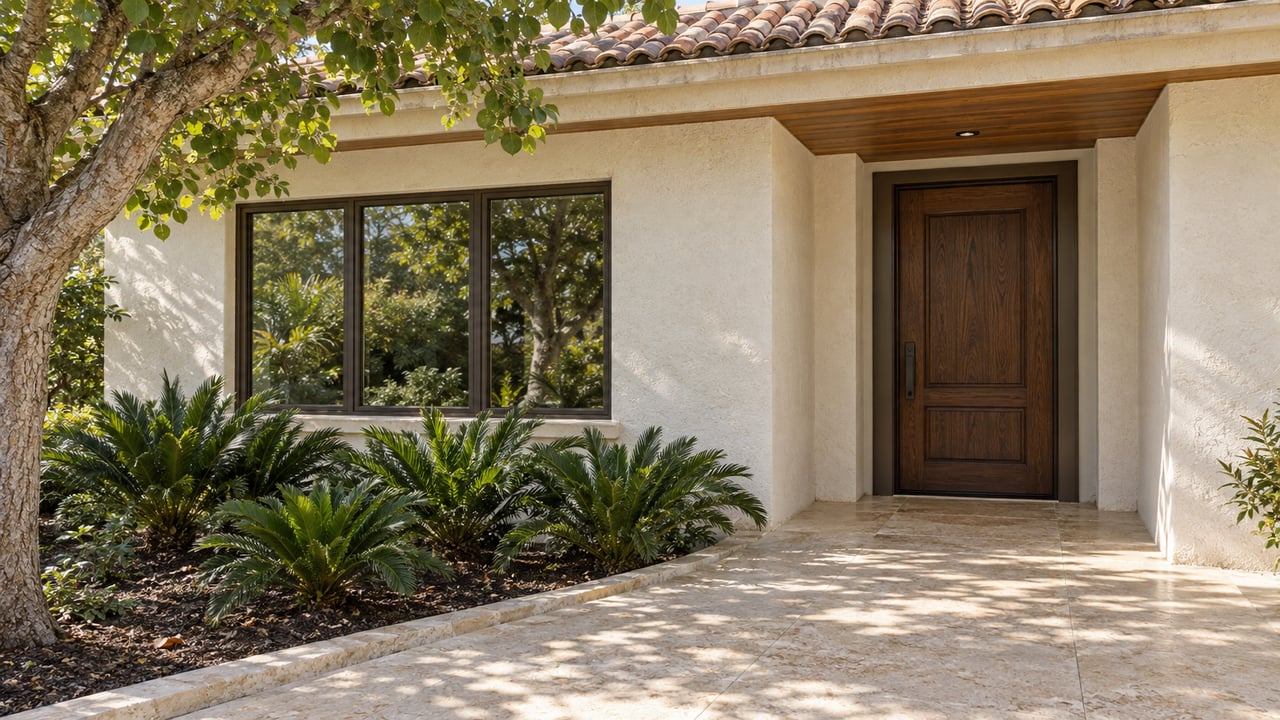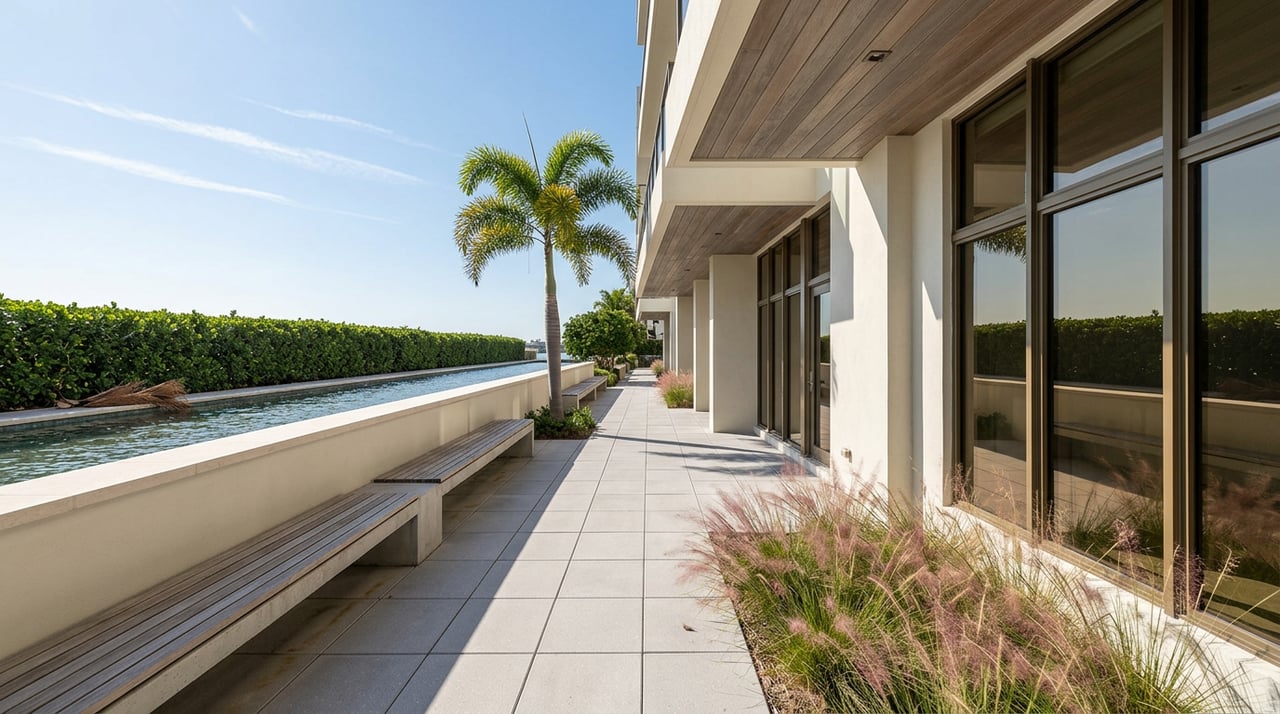
Are you torn between a waterfront address and an inland home in Coconut Grove? You’re not alone. The choice often comes down to lifestyle dreams on the water versus cost, risk, and upkeep. In a few minutes, you’ll learn how to weigh the tradeoffs, what to verify locally in Lee County, and a simple framework to reach a confident decision. Let’s dive in.
Start with location clarity
Before you compare prices or insurance, confirm the exact address and jurisdiction. The name “Coconut Grove” appears in different parts of Florida. Verify that your property is in Lee County and pull parcel specifics from the Lee County Property Appraiser. This helps you evaluate waterfront rights, flood status, and comparable sales accurately.
What “waterfront” means in Lee County
Waterfront isn’t one-size-fits-all. In Lee County, you’ll see several water types, each with different use rights and values:
- Gulf or open water frontage: Big views, potential for higher premiums, and exposure to wind and surge.
- Bay or estuary frontage: Scenic outlooks and wildlife, with varying navigational depth.
- River frontage: Access to open water depends on bridges and channel depth.
- Canal-front: Direct or indirect gulf access, with tidal depth and silt considerations.
- Lake or pond frontage: Views and privacy without navigational boating.
Some waterfront parcels include riparian rights for docks or mooring. Others do not. Confirm rights and easements in the deed and with local permitting officials.
About pricing premiums
In many coastal markets, buyers often pay a waterfront premium in the tens of percent over similar inland homes. The exact figure varies by water type, view, access, lot size, and demand. Your best move is to compute a local premium using verified comps from the appraiser data, local MLS, and broader market context from Florida Realtors research and National Association of Realtors research.
Lifestyle differences you’ll feel
Boating and marina access
If boating is part of your daily life, waterfront can be worth it. Confirm tidal depth and routes to open water. Some canals get shallow at low tide or silt seasonally. Review local boating rules through the Florida Fish and Wildlife Conservation Commission, and check marina slip availability, costs, and wait lists.
Views, privacy, and outdoor living
Water views add natural light and encourage more time outside. They also invite passersby on waterways or nearby marinas, which can mean more noise during peak boating seasons. Inland homes are typically quieter and can offer more traditional yard privacy.
Daily maintenance and operations
Salt, humidity, and wind near the coast accelerate wear. Expect more frequent exterior paint, faster metal corrosion, and dock or seawall upkeep on the water. Inland homes tend to have fewer corrosion issues, though yard size and local conditions can influence maintenance.
Services and infrastructure
Some waterfront streets are older and narrower, which can impact parking and deliveries. Utilities such as sewer connections may differ by block and subdivision. Confirm details during due diligence so there are no surprises after closing.
Risk, insurance, and regulations
Flood zones and insurance
If the property sits in a FEMA Special Flood Hazard Area, your lender will require flood insurance. Start with the FEMA Map Service Center and request or locate the Elevation Certificate early. Pricing now follows FEMA’s Risk Rating 2.0, which considers elevation, replacement cost, and flood frequency.
Sea-level rise and storm surge
Plan for the long term. Southwest Florida faces sea-level rise, king tides, and storm surge risk. Use the NOAA Sea Level Rise Viewer to see parcel-level scenarios over your intended holding period.
Wind, hurricanes, and coverage
Coastal wind exposure can affect premiums and coverage options. Many Florida owners use a mix of private carriers and state backstops. Engage an insurance broker early to compare homeowner, wind, and flood policies for both waterfront and inland options.
Permitting and environmental rules
Seawalls, docks, and mangroves are regulated. Check shoreline, dock, and seawall permits through Lee County permits and shoreline rules and the Florida Department of Environmental Protection. Reviews can add months and costs, especially if mitigation is required. Work with licensed pros to avoid fines or delays.
Structural and environmental realities
Salt accelerates corrosion on fasteners, HVAC equipment, and metal docks. Waterfront enjoyment can also be affected at times by algae blooms or water quality advisories. Ask about local history and monitoring practices during inspections.
Resale, rental, and financing dynamics
Marketability and buyer pool
Waterfront homes attract lifestyle-focused buyers and can command higher prices per square foot. Demand can be seasonal, especially among second-home shoppers. Inland homes often appeal to a broader market and may move faster in softer conditions.
Valuation and appraisal tips
Waterfront valuation is nuanced. Use matched-pair comps where the main difference is waterfront status, then adjust for size, features, and condition. For canal or gulf-front lots, agents sometimes benchmark by price per waterfront foot, but always pair that with quality comps. Limited waterfront comps can challenge appraisals, so prepare documentation on dock rights, access, and condition.
Rentals and rules
Short-term rental potential depends on zoning and HOA covenants. Waterfront rentals can earn higher gross revenue but often carry higher operating and insurance costs. Verify all restrictions and special assessments before you buy.
A simple decision framework
Ask yourself:
- How often will you use a boat or dock versus simply enjoy a view?
- Do you value quiet and lower upkeep more than direct water access?
- Is this a year-round residence or a seasonal retreat?
- What is your likely holding period, and how comfortable are you with risk and insurance variability?
If everyday boating and outdoor living define your lifestyle, a well-positioned canal or bay-front home can be worth the premium. If you prefer lower upkeep, broader resale appeal, and simpler insurance, an inland home may fit better.
Due diligence checklist
Collect these items early to reduce surprises and negotiate confidently:
- Title and deed review for riparian rights, access easements, and dock or seawall ownership.
- FEMA flood panel, SFHA status, and Elevation Certificate via the FEMA Map Service Center.
- Shoreline, dock, seawall, and mangrove permit history through Lee County DCD and the Florida DEP.
- Seawall and dock inspection by a licensed marine contractor or engineer, with remaining life and replacement estimates.
- Soil and erosion assessment, including setbacks.
- Insurance quotes for homeowner, wind, and flood policies under Risk Rating 2.0.
- Appraisal comps including waterfront-specific sales and, where relevant, price per waterfront foot.
- HOA or marina documents on dock assignments, slip transferability, and special assessments.
- Parcel and assessed-value details through the Lee County Property Appraiser.
What to budget for waterfront
- Flood insurance: highly variable. Get quotes early for both NFIP and private alternatives.
- Seawall repair or replacement: several thousand to tens of thousands depending on linear feet and method.
- Dock repair or replacement: thousands to tens of thousands based on size and materials.
- Exterior maintenance and landscaping: plan for more frequent paint and corrosion control near saltwater.
- Permitting and mitigation: allow for months of review and added fees where shoreline work is involved.
How to calculate your local premium
Use this quick, evidence-based method:
- Identify 3 to 5 recent waterfront sales and 3 to 5 similar inland sales in the same micro-area. Pull parcel data from the Lee County Property Appraiser and your agent’s MLS set.
- Adjust for square footage, beds/baths, age, condition, and lot size. Keep water type constant where possible.
- Compare price per square foot and total price to express the premium as a percentage difference.
- Document non-quantifiable advantages, like direct gulf access or unobstructed views, to explain differences in value.
For broader context on statewide trends and demand, review Florida Realtors research and NAR research.
Work with a waterfront-savvy advisor
A strong advisor helps you align lifestyle goals with risk, cost, and long-term value. That means coordinating marine inspections, modeling insurance scenarios, pulling the right comps, and navigating permits. If you want a tailored, data-backed plan for Coconut Grove in Lee County, you deserve a boutique, concierge experience with global reach. Connect with Ruben Chamorro to explore both waterfront and inland options and move forward with confidence.
FAQs
What is the first step to compare waterfront vs inland in Coconut Grove (Lee County)?
- Verify the exact address and jurisdiction, then pull parcel data from the Lee County Property Appraiser to ground your comparisons.
How do flood zones affect my Coconut Grove insurance costs?
- If your home is in a FEMA Special Flood Hazard Area, lenders require flood insurance, and pricing under Risk Rating 2.0 depends on elevation, replacement cost, and flood likelihood.
What inspections are essential for a Lee County waterfront home?
- In addition to a standard home inspection, get seawall and dock evaluations by licensed marine pros and confirm permits via Lee County DCD and the Florida DEP.
How can I check long-term sea-level and surge exposure for a Coconut Grove property?
- Use the NOAA Sea Level Rise Viewer to visualize future scenarios at the parcel level over your planned holding period.
What boating due diligence should I do near Coconut Grove in Lee County?
- Confirm navigational depth, tidal constraints, and local rules through the Florida Fish and Wildlife Conservation Commission, and verify marina slip options, costs, and transfer policies.
How do I estimate a fair waterfront premium vs a similar inland home?
- Build matched-pair comps from recent sales, adjust for size and features, and express the difference as a percentage; use Lee County Property Appraiser data and your agent’s MLS to keep it local.