Trying to decide between a Miami Beach waterfront condo and an interior boutique building? That choice often comes down to more than just views. You may be weighing lifestyle, privacy, maintenance, rental flexibility, and how you want your day-to-day experience to feel. This guide will help you compare the real tradeoffs in Miami Beach so you can make a more confident decision. Let’s dive in.
What These Two Options Usually Mean
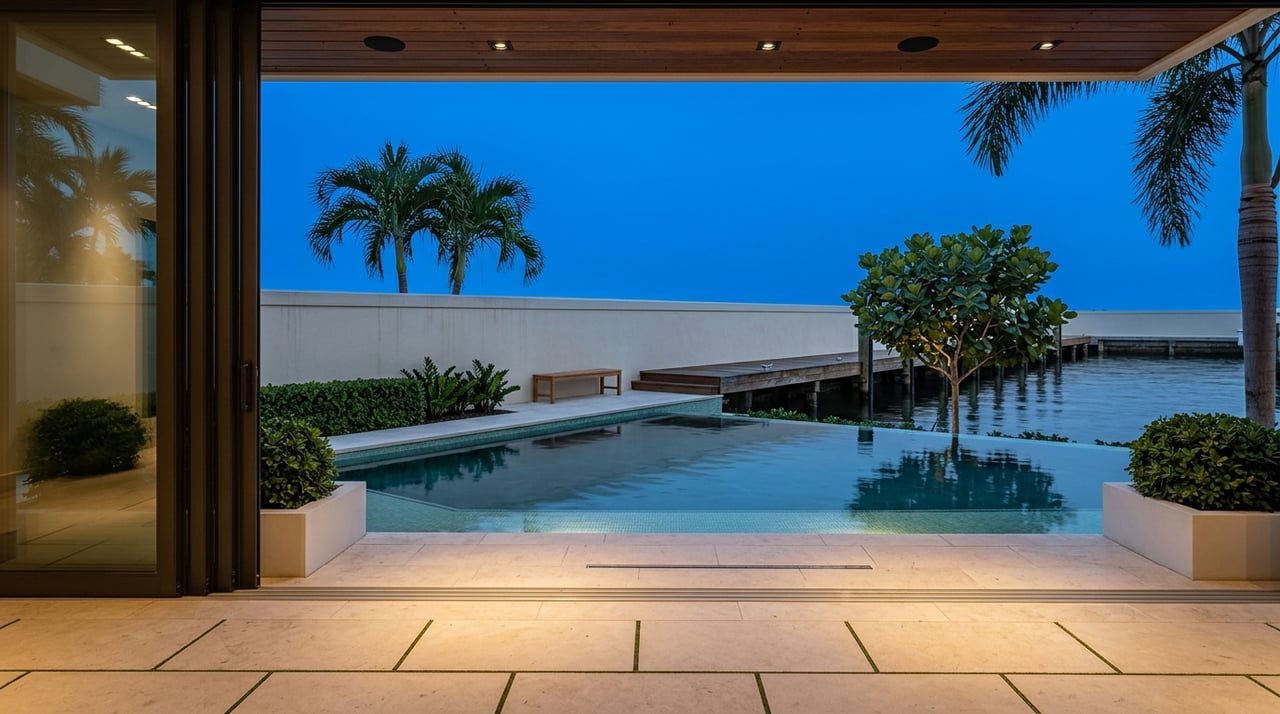
In Miami Beach, waterfront condos usually mean direct oceanfront or bayfront living. That often brings immediate water views, quicker access to the sand, and a stronger resort-style setting built into daily life.
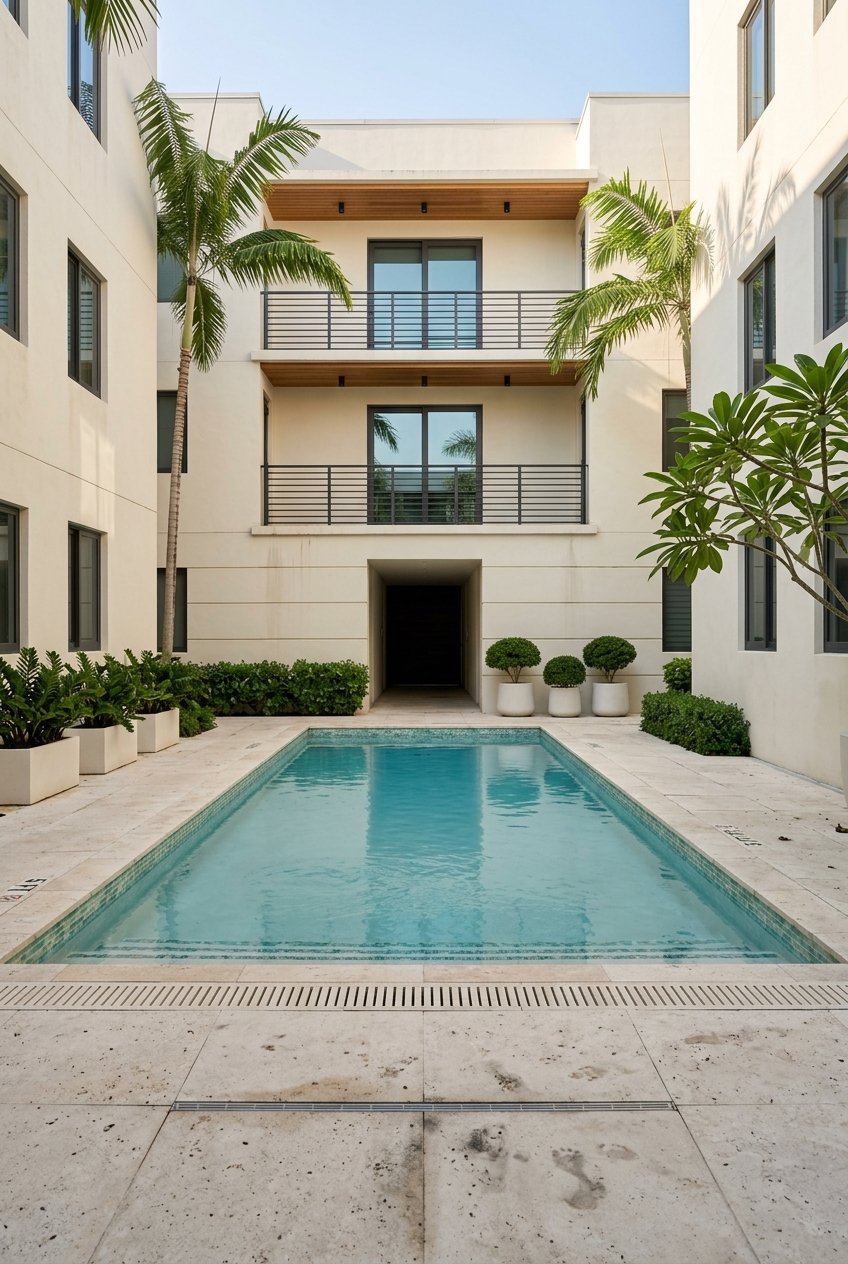
Interior boutique buildings are generally set back from the shoreline corridor. They are still connected to the beach through Miami Beach’s network of public access points and access mats, but they do not sit directly in the most active beachfront zones.
Boutique buildings are also typically smaller in scale. In Miami Beach, that often means low-rise projects with roughly 10 to 60 units, which creates a different ownership experience than a larger coastal tower.
Waterfront Condos: What You Gain
If your priority is the strongest visual experience, waterfront usually stands out first. Direct ocean or bay exposure can give you a more dramatic backdrop, and for many buyers, that is the main reason to pay a premium.
You also get closer access to Miami Beach’s public beachfront environment. The city’s Beachwalk runs for about nine miles along the oceanfront, and Lummus Park sits directly between Ocean Drive and the Atlantic with beach access, paved paths, public restrooms, and city programming.
For some buyers, that active setting is a major plus. If you want a home that feels tied to the energy of the coastline, a waterfront condo may fit your lifestyle better than a building tucked farther inland.
Best Fit for Waterfront Living
A waterfront condo may make the most sense if you value:
- Direct water views
- Fast access to the beach
- A more resort-like daily setting
- Proximity to the Beachwalk and public beachfront activity
- A higher-visibility location for personal use or legally permitted rental use
Interior Boutique Buildings: What You Gain
Interior boutique buildings appeal to buyers who want Miami Beach access without living directly in the busiest shoreline environment. You may give up some immediacy of view, but you often gain a calmer day-to-day rhythm.
That quieter feel is a practical market inference based on being farther from the main oceanfront promenade and event-heavy beachfront parks. It is not a formal zoning distinction, but it is often one of the biggest lifestyle differences buyers notice.
Boutique buildings can also feel more residential because of their smaller size. With fewer units than a large tower, the experience may feel more private and less hotel-like, which can be especially appealing if you are buying for personal use.
Best Fit for Interior Boutique Living
An interior boutique building may fit you better if you value:
- A more private daily environment
- Smaller-scale buildings
- A calmer setting away from the busiest beachfront paths
- Easy beach access without being directly on the sand
- A more personal-use oriented ownership experience
Daily Lifestyle: Activity vs Privacy
For many buyers, the biggest difference is not the floor plan. It is how the area feels when you wake up, step outside, and move through your day.
Miami Beach’s oceanfront public realm is intentionally active. The Beachwalk is a shared-use path, Lummus Park is one of the city’s most popular destinations, and some Ocean Drive beach entrances may be managed with checkpoints and item restrictions during peak periods.
That means waterfront living often comes with more foot traffic, more movement, and more event energy nearby. If you enjoy that vibrancy, it can be a benefit. If you prefer a more subdued residential cadence, an interior boutique building may feel more comfortable.
Miami Beach and Miami-Dade also regulate sound on public and private property, and the city has construction noise rules that reflect a local focus on limiting disruption. Even so, location within the beachfront corridor can still shape your daily experience in a noticeable way.
Beach Access: You Do Not Need To Be On The Sand
One of the most common questions buyers ask is whether inland or interior living means giving up the beach lifestyle. In Miami Beach, the answer is generally no.
The city provides multiple public beach entry points and beach access mats across South Beach, Mid Beach, and North Beach. Manual beach wheelchairs are also available at Lummus Park and South Pointe Park.
That matters because it changes the comparison. You do not have to buy directly on the ocean to enjoy frequent beach access, which makes interior boutique buildings a practical option for buyers who want the beach nearby without living in the middle of the busiest beachfront setting.
Ownership and Maintenance: Why Waterfront Needs Extra Attention
Waterfront living can be beautiful, but it usually comes with more environmental exposure. Coastal storms can bring flooding, storm surge, and severe property damage, and salt spray and moisture can contribute to corrosion and material decay over time.
For you as a buyer, that means building condition deserves close review. In a waterfront condo, it is especially important to pay attention to the building envelope, waterproofing, balconies, windows, doors, and long-term maintenance planning.
This does not mean waterfront is the wrong choice. It simply means due diligence should be more detailed, especially if you are comparing an older coastal tower against a smaller interior building.
Key Due Diligence Areas
When comparing buildings, pay close attention to:
- Building recertification status
- Structural integrity reserve study requirements
- Waterproofing and exterior maintenance history
- Condition of windows, doors, and balconies
- Flood-zone position and insurance implications
Miami-Dade Recertification Rules Matter
In Miami-Dade County, coastal buildings face a shorter recertification timeline than inland buildings. Coastal buildings become subject to recertification at 25 years, while inland buildings do so at 30 years, and then every 10 years after that.
Florida condo law also requires structural integrity reserve studies at least every 10 years for qualifying residential condominium buildings that are three habitable stories or higher. Those studies must address items such as the roof, structure, plumbing, electrical systems, waterproofing and exterior painting, and windows and exterior doors.
For Miami Beach buyers, this is highly relevant in both categories, but it can carry extra weight when reviewing older waterfront towers. If two homes seem similar on the surface, the building’s maintenance planning and compliance history can change the real cost and risk profile.
Flood Review Should Happen Early
Flood-zone review is another important step in Miami Beach condo due diligence. National Flood Insurance Program requirements apply to Special Flood Hazard Areas shown on FEMA flood maps, and federally backed mortgages in high-risk flood areas require flood insurance.
In practice, waterfront and near-water buildings deserve an early flood-map review. That helps you understand possible insurance requirements and avoid surprises later in the process.
Rental Potential Depends on Rules, Not Just Location
Many buyers assume waterfront automatically means better rental potential. In Miami Beach, that is not always true.
Vacation and short-term rentals are defined by the city as stays of less than six months and one day. The city prohibits them in all single-family homes and in many multifamily buildings in certain zoning districts, and approved rentals must have a Business Tax Receipt and Resort Tax account.
The city also requires the Business Tax Receipt and Resort Tax certificate number to appear in ads. For a unit to move forward in the approval process, the application packet must include a recent association letter confirming that short-term rental is allowed for that specific unit.
That means rental appeal is a legal and building-governance question first. A waterfront condo may be very attractive to guests if it is legally rentable, but zoning status, association policy, and license compliance matter more than simple proximity to the water.
How To Choose the Right Fit
If you are deciding between these two options, start with your actual use case. The right answer often becomes clearer when you focus on how you plan to live in the property, not just how it looks in photos.
Choose a waterfront condo if your top priorities are views, immediate beach access, and a more active coastal setting. Choose an interior boutique building if you want a smaller-scale property, a more private feel, and convenient access to the beach without living directly in the center of the oceanfront corridor.
For many Miami Beach buyers, this is really a question of experience versus exposure. Waterfront can deliver a stronger visual and lifestyle payoff, while interior boutique living may offer a more relaxed ownership rhythm with fewer of the day-to-day effects of the busiest beachfront areas.
If you want help comparing Miami Beach condos with a sharper eye on lifestyle, building quality, and long-term fit, Ruben Chamorro offers a concierge-level approach tailored to luxury buyers across South Florida.
FAQs
Can you still walk to the beach from an interior Miami Beach boutique building?
- Yes. Miami Beach has multiple public beach access points and access mats across South Beach, Mid Beach, and North Beach, so you do not need to live directly on the sand to reach the beach conveniently.
Do Miami Beach waterfront condos always have better rental potential?
- No. In Miami Beach, rental use depends on zoning, city licensing, and association approval, not just whether the condo is on the water.
Do coastal Miami Beach condo buildings face more oversight than inland buildings?
- Generally, yes. Miami-Dade County applies a shorter recertification timeline to coastal buildings, and Florida also requires structural integrity reserve studies for qualifying condo buildings.
What is the biggest lifestyle difference between waterfront condos and interior boutique buildings in Miami Beach?
- Waterfront condos usually offer stronger views and more exposure to beachfront activity, while interior boutique buildings often appeal to buyers looking for a quieter and more private daily setting.
What should you review before buying a Miami Beach waterfront condo?
- Focus on recertification status, reserve study requirements, waterproofing, exterior condition, balconies, windows, doors, and flood-zone and insurance considerations.