If you want a South Florida getaway that feels separate from the city without being far from it, Key Biscayne stands out quickly. As a barrier island with only one land connection via the Rickenbacker Causeway, it offers a more contained, retreat-like setting while still staying close to downtown Miami. If you are weighing a condo against a single-family home for a vacation base, the right choice usually comes down to how you want to spend your time, how hands-on you want ownership to be, and how you plan to use the property. Let’s dive in.
Why Key Biscayne Fits Vacation Use
Key Biscayne offers a mix of beach access, outdoor recreation, and village amenities that makes part-time living appealing. Miami-Dade identifies the Rickenbacker Causeway as the Village’s only ingress and egress, which adds to the island’s self-contained feel.
On the south end, Bill Baggs Cape Florida State Park offers about 1.25 miles of beach shoreline, the Cape Florida Lighthouse, and activities that include cycling, kayaking, fishing, canoeing, picnicking, and dining. On the north end, Crandon Park spans 808 acres and includes a beach, nature center, marina, golf course, and tennis center.
Within the Village, you also have neighborhood parks, a community center, and resident-oriented spaces. The result is a vacation base that can feel easy to enjoy whether you are staying for a long weekend, a season, or part of the year.
Condo Benefits for Part-Time Owners
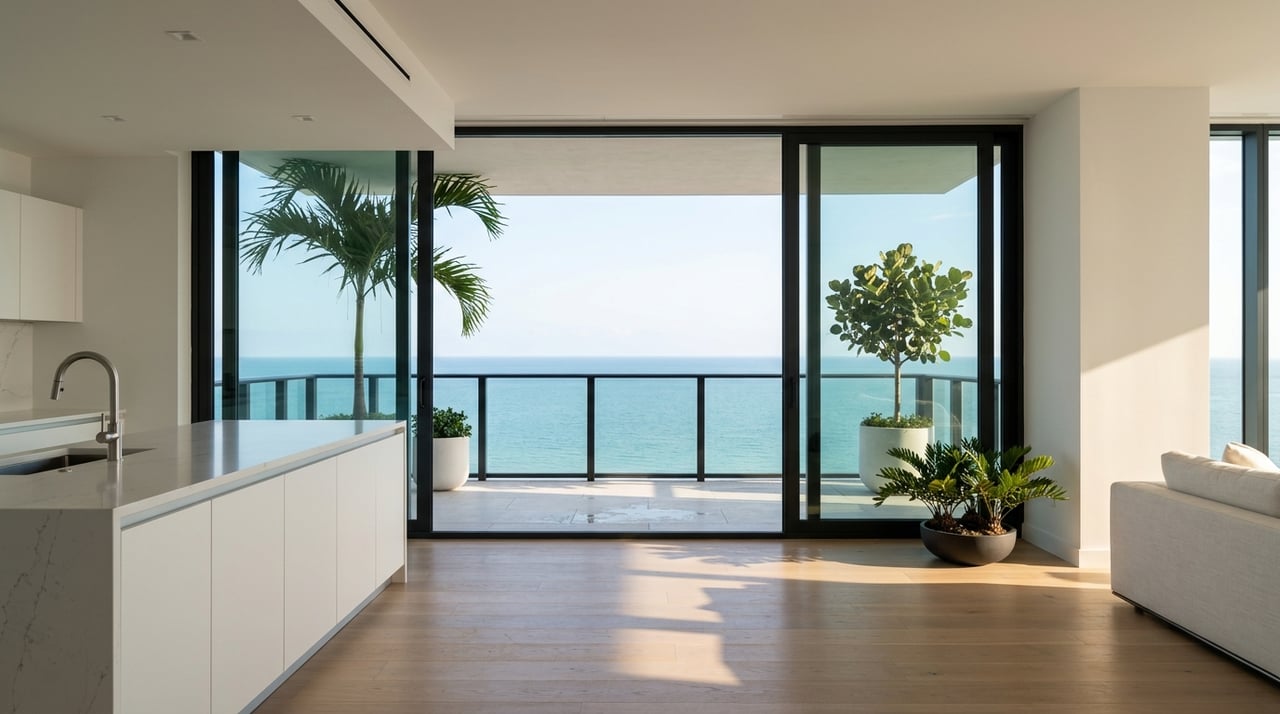
For many buyers, a condo is the more natural fit for a second home. If your goal is a lock-and-leave property with less day-to-day exterior responsibility, condo ownership can align well with that lifestyle.
In Florida, condo ownership is built around shared common elements and association governance. State condominium materials explain that owners pay common expenses, follow the declaration, bylaws, and rules, and allow association access to units when maintenance or repairs to common elements require it.
In practical terms, that often means less direct responsibility for exterior upkeep and more building-level coordination. If you do not want to manage landscaping, roofing, or many common-area maintenance items yourself, that structure can be a major advantage.
Why condos feel easier to leave
A vacation property is often empty for stretches at a time. In that setting, a condo can offer more convenience because much of the property oversight happens through the association and building management structure.
That matters even more on Key Biscayne. The Village hurricane guide states that after a storm, condominium and commercial property managers and their pre-approved teams are allowed to enter once roadways are cleared, before residents return. For absentee owners, that organized access can be especially valuable.
Condo due diligence matters more now
The trade-off is that condo buying in Florida has become more document-driven. Many taller condo and co-op buildings are subject to milestone inspections, and existing owner-controlled associations must complete a Structural Integrity Reserve Study, or SIRS, by December 31, 2025.
Florida law also requires condo sale contracts to account for the milestone inspection summary and the association’s most recent SIRS when applicable. That means your review process should go beyond the residence itself and include the condition, budgeting, and maintenance planning of the building.
What condo buyers should review
If you are considering a Key Biscayne condo for vacation use, expect to review items such as:
- The declaration
- The bylaws
- The building rules
- The annual budget
- The milestone inspection summary, when applicable
- The most recent SIRS, when applicable
For many buyers, that extra diligence is worth it because it supports a more turnkey ownership experience once you close.
Home Benefits for Privacy and Flexibility
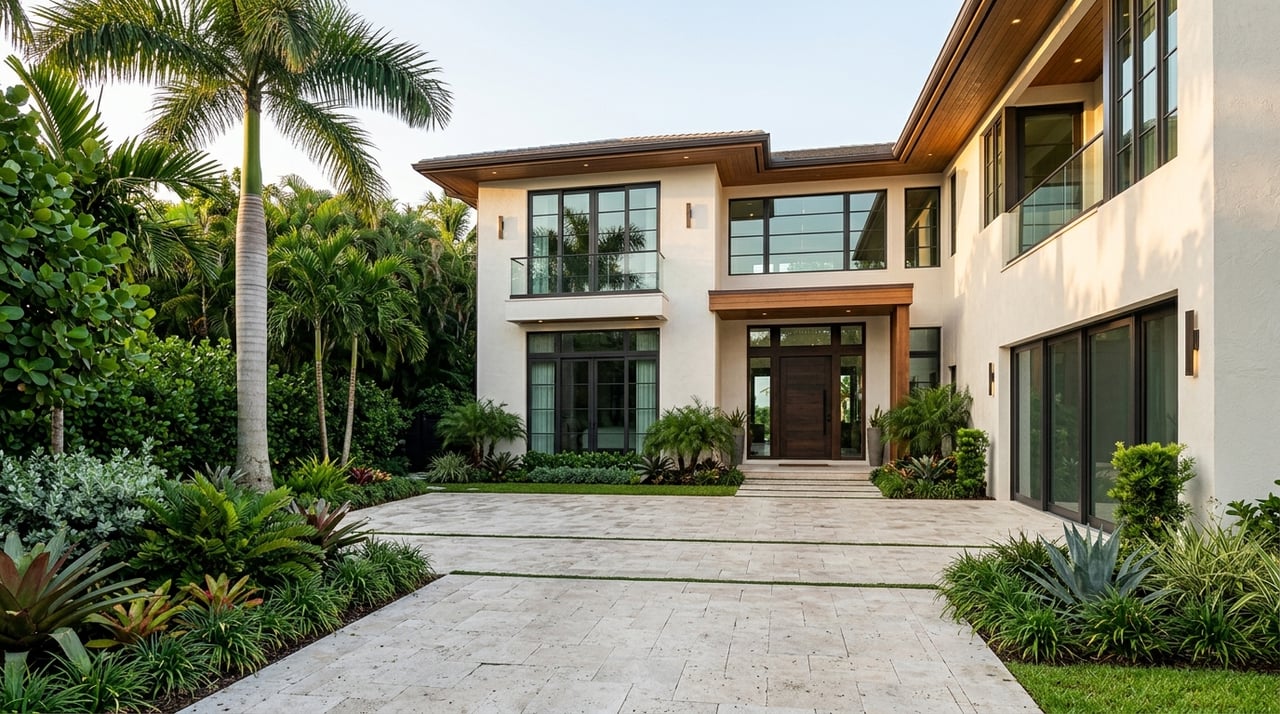
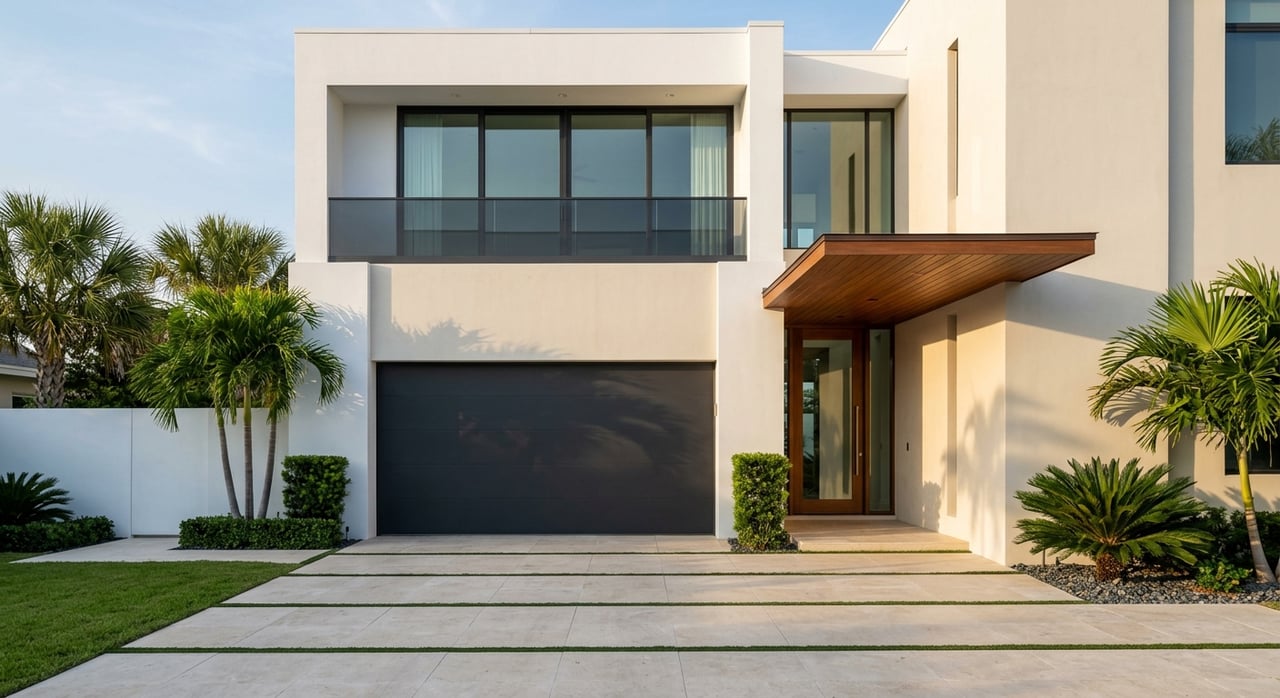
A single-family home can be the better fit if you want more privacy, more independence, and more private outdoor space. For some buyers, that extra control is the whole point of owning a vacation property.
Compared with a condo, a house often gives you more room to spread out and more freedom in how you enjoy the property day to day. If you picture extended family visits, private outdoor living, or a quieter retreat, a home may match that vision more closely.
Homes offer more control
With a detached home, you are not operating within the same shared-common-element structure that comes with condo ownership. That can appeal to buyers who want more autonomy over the property itself.
For a vacation base, that might mean more flexibility in how you use your outdoor areas and more separation from building-level governance. If independence is high on your list, that benefit can be hard to ignore.
Homes require more hands-on upkeep
The trade-off is responsibility. The Village’s hurricane and flood guide tells residents to trim trees, clear storm drains, secure loose outdoor items, prepare a hurricane kit, and plan for evacuation.
The same guide says that if flooding is expected, owners should shut off electricity and elevate valuable contents. Those are important reminders that a detached home on a barrier island usually requires more active maintenance planning, especially if you will not be there full-time.
Key Biscayne Weather and Flood Reality
On Key Biscayne, storm readiness is not a side issue. It should be part of your decision from the beginning, whether you are leaning toward a condo or a house.
The Village states that all of Key Biscayne is in a Special Flood Hazard Area and that the island is in Evacuation Zone A. The Village also notes that substantial flooding has happened and will likely happen again.
That does not automatically point you to one property type over the other, but it does shape how ownership feels. In general, a home may ask more of you directly, while a condo may shift more of the coordination to the building and association structure.
Flood insurance is a separate issue
The Village guide also states that homeowner’s, business owner’s, and renter’s policies typically do not cover flood damage. Flood insurance is a separate issue to evaluate as part of your ownership costs and risk planning.
For vacation buyers, this is especially important because part-time ownership works best when you understand both the lifestyle upside and the practical responsibilities before you buy.
Rental Rules Can Affect Your Plan
If you hope to use your Key Biscayne property as both a vacation base and an occasional rental, local rules deserve close attention. The Village code treats vacation rentals as a regulated use.
According to the Village code, the minimum rental period is 15 continuous days. The owner must also obtain a Business Tax Receipt, and leases or occupancy agreements must be written and include the restrictions.
That minimum stay requirement can be a meaningful constraint if you were hoping for frequent short stays by renters. Whether you choose a condo or a home, your intended use should be checked against these local rules early in the process.
How to Choose Between a Condo and Home
The best option usually depends on your priorities more than the property category itself. A condo often suits buyers who want easier ownership and more of a true lock-and-leave setup. A home often suits buyers who value privacy, outdoor space, and control.
Here is a simple way to think about it:
Choose a condo if you want:
- Less direct exterior maintenance
- Building-level coordination during ownership
- A more lock-and-leave setup
- Shared services and shared common elements
Choose a home if you want:
- More privacy
- More room for guests or family visits
- More private outdoor living space
- More control over the property experience
On Key Biscayne, the island setting adds another layer to that decision. Since the Village has a single land access point via the Rickenbacker Causeway, and because flood exposure and evacuation planning are real ownership considerations, convenience and resilience matter in both categories.
A Smart Vacation-Base Mindset
When you buy on Key Biscayne, you are not just choosing square footage or views. You are choosing an ownership style that needs to fit how often you will visit, how much oversight you want, and how comfortable you are with storm and maintenance planning.
If you want streamlined ownership, a condo may feel more natural. If you want a more private retreat and are prepared for the extra responsibility, a single-family home may be the better long-term fit.
The key is matching the property to your actual lifestyle, not just the image of one. If you want a discreet, data-driven perspective on how different Key Biscayne properties fit your goals, Ruben Chamorro can help you evaluate the options with a concierge-level approach.
FAQs
Is a condo or house better for a Key Biscayne vacation property?
- A condo is often better if you want easier ownership and a lock-and-leave setup, while a house is often better if you want more privacy, outdoor space, and control.
What makes Key Biscayne appealing for part-time living?
- Key Biscayne offers a self-contained island setting, beach access, parks, and recreation amenities, while still being close to downtown Miami via the Rickenbacker Causeway.
What should buyers review when buying a Key Biscayne condo?
- Buyers should review the declaration, bylaws, rules, annual budget, milestone inspection summary when applicable, and the most recent SIRS when applicable.
What storm and flood issues matter for Key Biscayne homes?
- The Village states that all of Key Biscayne is in a Special Flood Hazard Area and Evacuation Zone A, so buyers should account for storm preparation, flood exposure, and ongoing maintenance responsibilities.
Can you rent out a Key Biscayne vacation property short term?
- Key Biscayne vacation rentals are regulated, and the Village code states that the minimum rental period is 15 continuous days, with written agreements and a required Business Tax Receipt.
Why can condo ownership help absentee owners on Key Biscayne?
- The Village hurricane guide states that after a storm, condominium and commercial property managers and their pre-approved teams may enter once roadways are cleared before residents return, which can support post-storm coordination for part-time owners.