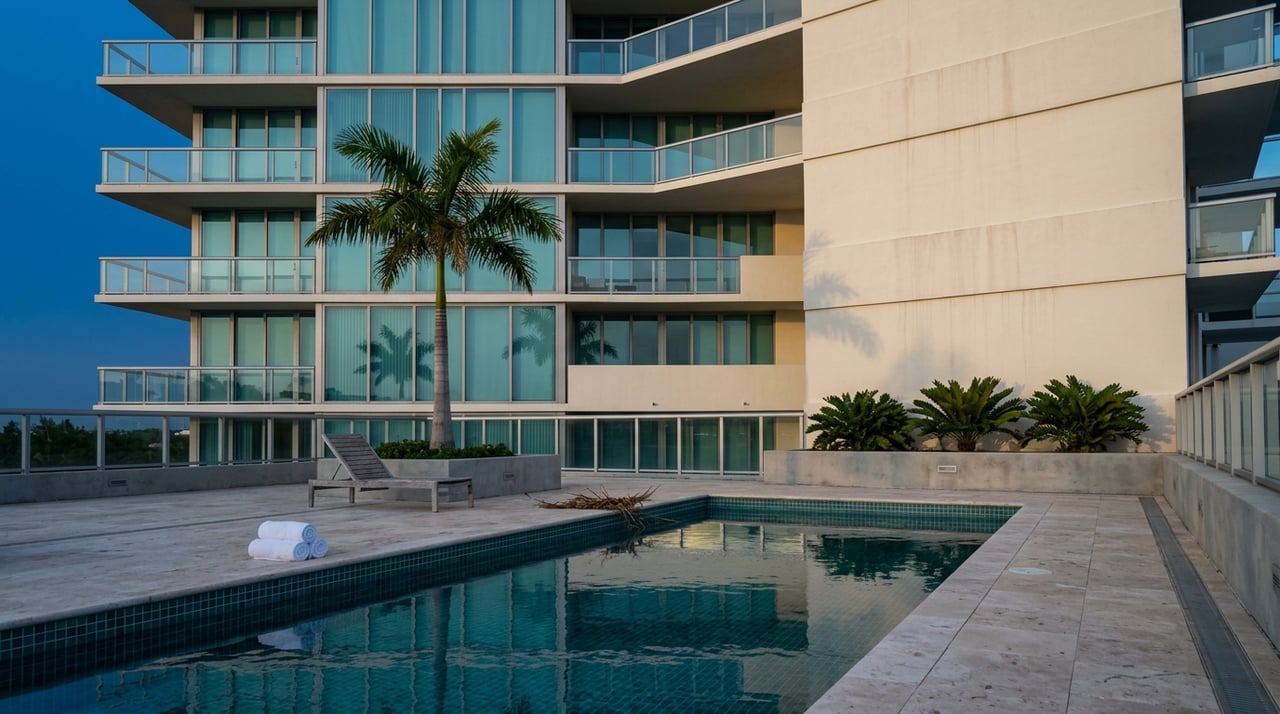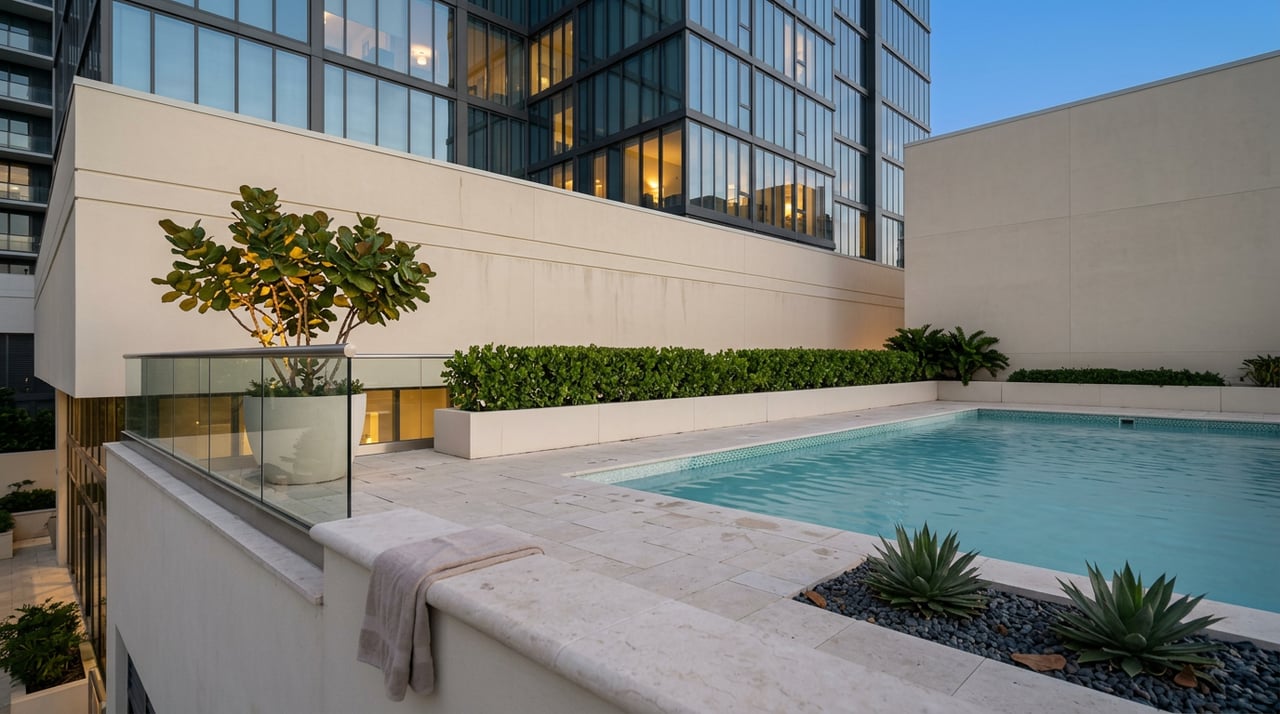
Choosing between Brickell and Edgewater is not just about picking a Miami condo with a great view. If you are investing in Greater Downtown Miami, you are really choosing between two different demand profiles, leasing patterns, and resale dynamics. The good news is that both neighborhoods have strong reasons to be on your shortlist, and understanding the tradeoffs can help you buy with more confidence. Let’s dive in.
Brickell vs Edgewater at a Glance
Brickell and Edgewater are the two most important condo neighborhoods to compare in Greater Downtown Miami. According to the Miami Downtown Development Authority, the two areas together account for more than 60% of Greater Downtown condo inventory.
That matters because you are not comparing fringe markets. You are comparing two core urban submarkets with different investor appeal. Brickell leans more office-adjacent and high-demand, while Edgewater offers a more residential bayfront setting with a stronger luxury tilt.
Why Brickell Appeals to Investors
Brickell tends to fit investors who want leasing depth, steady tenant demand, and a broad resale audience. The Miami DDA describes Brickell as a high-demand rental market with premium rents and strong occupancy.
It also benefits from international demand. MIAMI Realtors reported that Brickell had the largest share of Latin American buyers in its 2024 to 2025 new-construction sample, which adds another layer of buyer liquidity when you think about long-term exit strategy.
Brickell rental strength
Brickell’s rental numbers are one of the clearest reasons investors keep coming back to the neighborhood. Miami DDA reports that Brickell represents 17.4% of all Greater Downtown rental units, with 95% occupancy, concessions equal to 4% of asking rent, and average rent per unit at $3,159.
That average rent is also up 52.2% over five years. For you as an investor, those figures suggest a deep renter pool and relatively efficient leasing compared with other urban submarkets.
Brickell resale and inventory picture
Brickell also offers a mature resale market. A Brickell-specific Q4 2025 report showed 201 closings, 1,140 active listings, 113 average days on market, and a 17.0-month absorption period.
This is not the profile of a tiny niche market. It is a large, active condo ecosystem with meaningful inventory, though units may take time to move in a more selective environment.
Why Edgewater Appeals to Investors
Edgewater often attracts investors who want a more residential feel, bay views, and newer luxury inventory. Miami DDA describes it as one of the most established condo markets in Greater Downtown, with continued interest from luxury builders because of its waterfront setting and walkable lifestyle.
If you value a bayfront identity and are comfortable targeting a more selective renter or buyer, Edgewater may feel more aligned with your goals. It is less about pure volume and more about product quality and location appeal.
Edgewater rent and pricing profile
Edgewater stands out for headline pricing. Miami DDA reports an average sale price per unit of $1 million as of Q2 2025, which reflects the area’s luxury skew.
Its rental profile is also compelling, but different from Brickell. Miami DDA reports 81% occupancy, concessions equal to 8% of asking rent, and average rent per unit at $4,296, up 62.1% over five years.
Those numbers show real pricing power, especially for well-positioned units. At the same time, the lower occupancy and higher concessions compared with Brickell suggest a market that can be more selective and slower to lease.
Edgewater sales pace
Edgewater sales tend to move more deliberately. Miami DDA reported 393 units sold in 2024, average days on market of 176, and $378.9 million in sales volume.
For investors, this can mean a higher-ticket market where great product still attracts demand, but patience matters. Your underwriting should reflect that slower sales pace.
Price Comparison: Brickell vs Edgewater
At the median, the two neighborhoods sit in a similar broad range. Redfin neighborhood data puts recent median sale prices at about $605,000 in Brickell and $595,000 in Edgewater.
But averages tell a different story. A Brickell Q4 2025 report showed a median sale price of $660,000 and an average sales price of $868,269, while Miami DDA placed Edgewater’s average sale price per unit at $1 million.
The takeaway is simple. If you are shopping median-priced inventory, the gap may not feel dramatic. If you are targeting newer waterfront luxury product, Edgewater often pushes pricing higher.
Rental Demand: Which Neighborhood Is Easier to Lease?
If your top priority is leasing depth, Brickell appears to have the edge based on current reported data. Its 95% occupancy and lower concessions point to stronger tenant absorption.
Edgewater can command higher average rents, but its 81% occupancy and 8% concessions suggest a more specialized renter profile. That does not make it weak. It just means the path to consistent leasing may depend more on building quality, view corridor, and unit type.
Tenant profile differences
Brickell tends to attract renters who want proximity to offices, transit access, and a dense urban lifestyle. Edgewater tends to appeal to renters who prioritize waterfront living, views, and a more residential feel while staying close to Wynwood and downtown amenities.
Miami DDA also notes that Edgewater has more limited public transit access than Brickell. For some investors, that can matter when evaluating day-to-day renter convenience and leasing velocity.
Appreciation and Long-Term Outlook
For long-term investors, the broader Miami-Dade condo story still matters. MIAMI Realtors reported that condo prices in Miami-Dade have appreciated for 14 consecutive years and are up 103.3% over the last 10 years.
In June 2025, Miami-Dade condo and townhome median prices were also up 6% year over year. While neighborhood performance always varies, those broader trends support the case for long-term urban Miami ownership.
There is also an important supply note. MIAMI Realtors said the Miami metro area had 32,014 multifamily units under construction as of Q1 2025, and asking rents are expected to rise at only a modest low-single-digit pace over the next few years because of that new supply.
For you, that means rent growth assumptions should stay realistic. Strong neighborhoods can still perform well, but aggressive projections deserve extra caution.
Short-Term Rental Rules Matter More Than Neighborhood
If you are hoping to use a condo for short-term rental income, do not assume either neighborhood is automatically investor-friendly. In Brickell and Edgewater, short-term rental viability is building-specific, not neighborhood-wide.
The City of Miami requires more than owner interest. Its procedures state that you need a Certificate of Occupancy, a state DBPR lodging license, a Certificate of Use, any required county licenses, and a city Business Tax Receipt if applicable.
Association approval is critical
The city’s evaluation form also requires the association to certify that short-term rental or lodging is allowed under the building’s governing documents. That means the condo association can be the deciding factor.
The same city form states that if more than 25% of a building’s units are converted to short-term rental or lodging, a change of occupancy is triggered for the entire building. Some transect zones may also be ineligible.
Miami-Dade also taxes rentals of six months or less at 6%. If short-term income is part of your plan, you need to verify the building rules and operating requirements before you underwrite the deal.
HOA and Building Due Diligence
This is where many investors make costly mistakes. There is no neighborhood-wide HOA standard in Brickell or Edgewater, so each building’s declaration and bylaws control day-to-day operations.
Under Florida condominium law, association budgets must include reserve accounts for capital expenditures and deferred maintenance. Reserve funds are restricted to authorized uses unless owners approve otherwise, and unit owners remain responsible for assessments while they own the unit.
What to review before you buy
Before pricing any investment condo, review:
- Declaration and bylaws
- Current annual budget
- Reserve schedule
- Pending or recent assessments
- Lease restrictions
- Short-term rental policy
- Any association approval requirements for tenants
Florida law also allows associations to place liens for unpaid assessments. If the governing documents allow lease approval or disapproval, delinquent assessments can also affect leasing approval.
Which Neighborhood Fits Your Strategy?
The right answer depends on what kind of investor you are.
Choose Brickell if you want:
- Stronger leasing depth
- Higher reported occupancy
- Lower concessions
- Broad buyer and tenant pools
- Office-adjacent urban demand
- Strong international buyer presence
Choose Edgewater if you want:
- A more residential bayfront setting
- Higher-end luxury positioning
- Strong average rent levels
- Waterfront lifestyle appeal
- Exposure to newer luxury towers
Neither choice is universally better. Brickell often looks stronger for liquidity and tenant depth, while Edgewater can offer a more lifestyle-driven luxury profile with higher headline pricing.
Final Takeaway for Miami Condo Investors
If you are comparing Brickell vs Edgewater condos for investors, think beyond neighborhood branding. The real decision comes down to your target renter, holding period, risk tolerance, and the exact building you buy into.
Brickell generally offers stronger occupancy, lower concessions, and a deeper rental pool. Edgewater offers higher average sale prices, higher average rents, and a more residential waterfront identity. Both can work well, but only if the building’s finances, reserves, assessments, and rental rules support your plan.
If you want a concierge-level review of Brickell and Edgewater condo opportunities, including building-specific rental rules and investment positioning, connect with Ruben Chamorro.
FAQs
Is Brickell or Edgewater better for condo rental income?
- Brickell appears stronger for leasing depth based on reported 95% occupancy and 4% concessions, while Edgewater shows higher average rent per unit but lower occupancy at 81% and higher concessions at 8%.
Are Edgewater condos more expensive than Brickell condos?
- Median pricing is in a similar broad range, but Edgewater’s average sale price per unit is higher at $1 million as of Q2 2025, largely because of its newer waterfront luxury inventory.
Can you do short-term rentals in Brickell or Edgewater condos?
- Sometimes, but it depends on the building. The City of Miami requires specific approvals and licenses, and the condo association must certify that short-term rental or lodging is allowed.
Is Brickell easier to lease than Edgewater?
- Based on Miami DDA data, Brickell looks easier to lease because it has higher occupancy, lower concessions, and a larger share of Greater Downtown rental inventory.
What should investors review before buying a Brickell or Edgewater condo?
- Review the declaration, bylaws, budget, reserve schedule, pending assessments, lease restrictions, and short-term rental policy, since rules and financial exposure can vary sharply from one building to another.