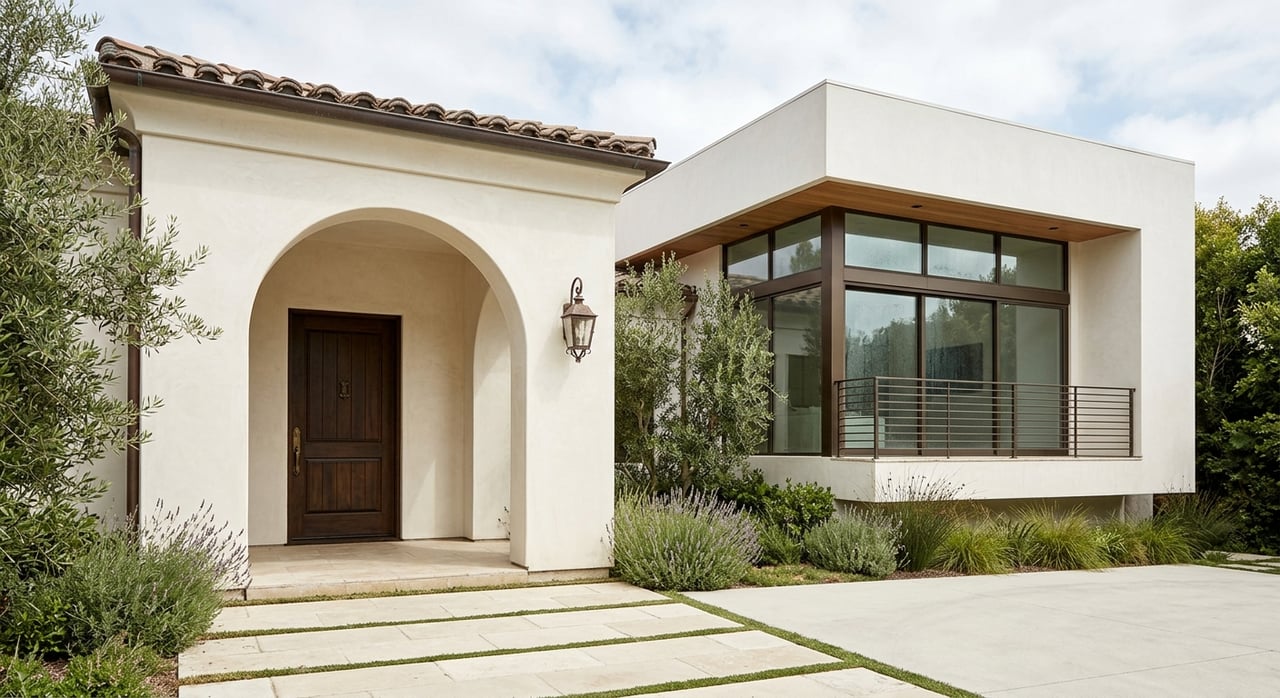
Trying to choose between old-world charm and modern ease in Coral Gables? It is a smart question, because in this city, architecture is not just about style. Your decision can shape how you renovate, what approvals you may need, and how the home fits your long-term plans. If you are comparing historic and contemporary homes in Coral Gables, this guide will help you understand the real differences so you can buy with more clarity and confidence. Let’s dive in.
Why style matters in Coral Gables
Coral Gables was planned with a strong architectural vision, and that legacy still shapes the market today. The city says more than 1,000 properties are listed on the Coral Gables Register of Historic Places, and its historic preservation program has been in place since 1973.
That means the choice between a historic and contemporary home is not only about appearance. It also affects approvals, maintenance expectations, future upgrades, and the kind of ownership experience you can expect.
What defines a historic home
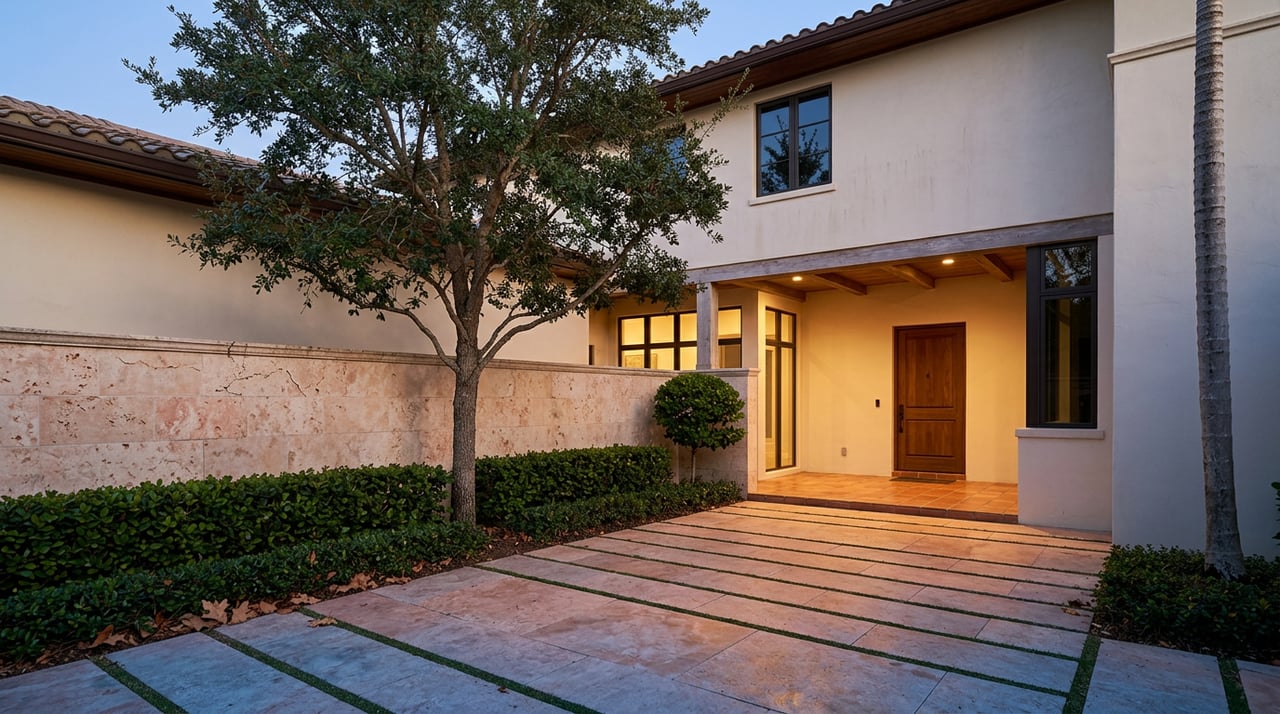
In Coral Gables, many historic homes come from the city’s early development period. These properties often reflect Mediterranean Revival, Spanish Revival, coral rock construction, and other early 20th-century architectural styles that helped define the area’s identity.
You will often see details like original materials, traditional roof forms, and distinctive windows that give these homes their character. City landmarks such as City Hall, the Merrick House, and the Congregational Church reflect this design heritage and show how important native oolitic limestone and coral rock have been to the local architectural story.
Age alone does not make a home historic
This is an important distinction for buyers. According to the city’s preservation guide, a property generally must be at least 50 years old and also have architectural, aesthetic, cultural, or historical significance to be considered for local designation.
In other words, an older house is not automatically a designated historic property. If you are considering a home with vintage appeal, you should verify whether it is formally designated or located within a historic district.
What living in a historic home can mean
A historic home in Coral Gables can offer something hard to replicate: architectural pedigree and a strong sense of place. For many buyers, that is the draw. You are buying into a preservation context that helps protect the visual identity of the property and its surroundings.
That said, ownership often comes with more oversight for exterior changes. If the property is designated, most exterior work that requires a permit must go through a Certificate of Appropriateness review before permits are issued.
Renovation rules for designated homes
Not every project is treated the same way. The city notes that some minor work, such as painting, re-roofing, and in-kind repairs, may be handled administratively.
Larger changes, including major exterior remodels, additions, and demolitions, may go before the Historic Preservation Board. The review process places special importance on character-defining features like windows, roof forms, and other original architectural elements.
Historic does not mean frozen in time
Many buyers assume a historic home cannot be updated, but that is not what the city says. Changes can be approved when they are compatible with the existing architecture.
For example, additions may be allowed if they are placed on a secondary facade or do not materially alter the property’s character. That creates room for thoughtful modernization, but usually with a more careful design process.
What defines a contemporary home
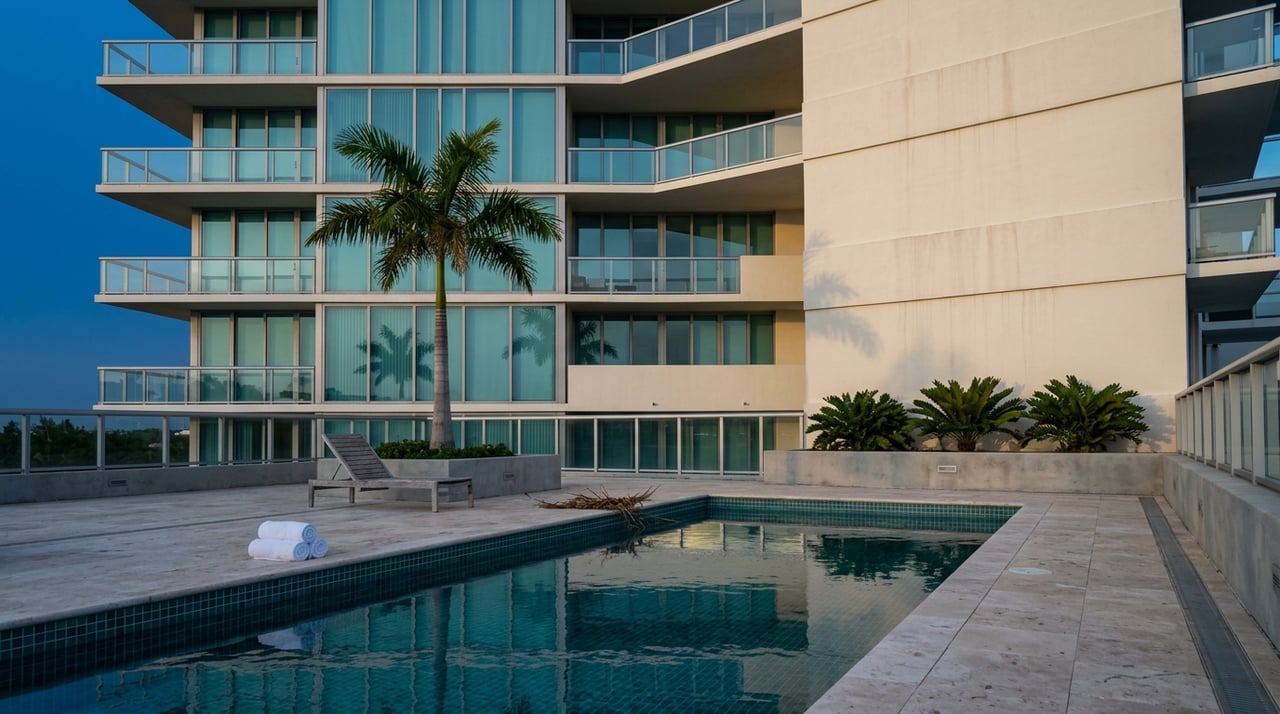
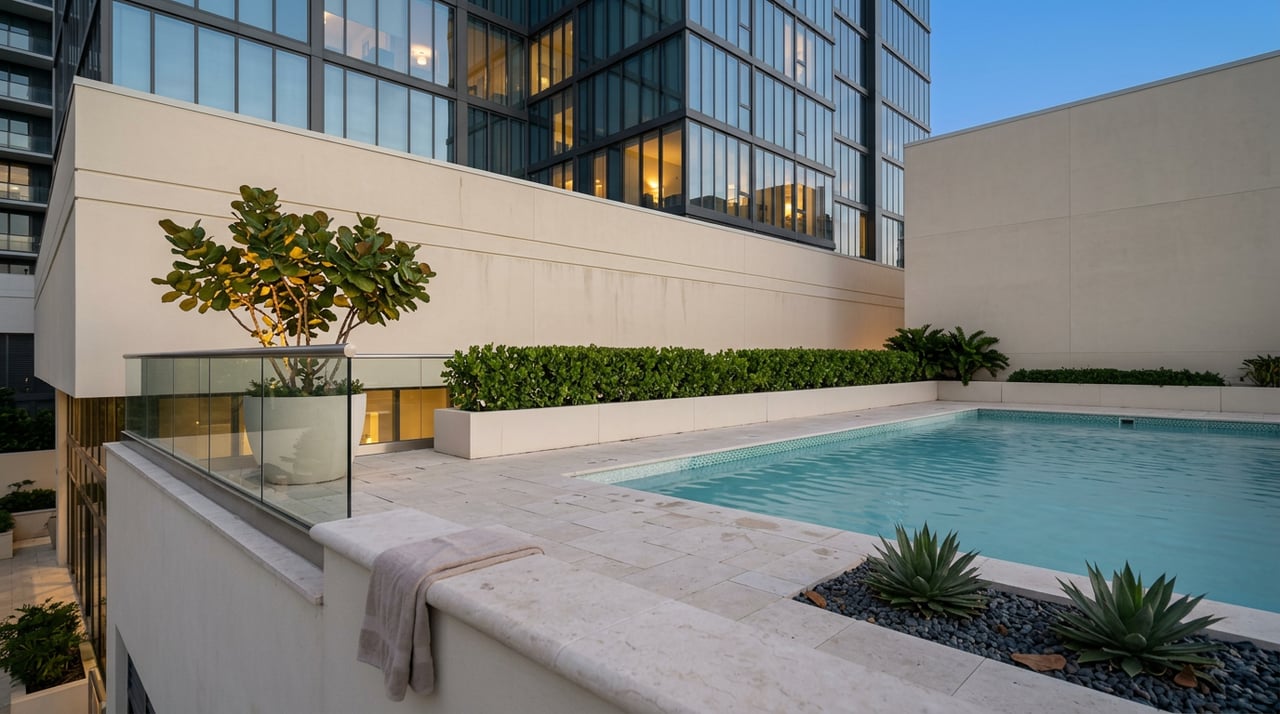
Contemporary homes in Coral Gables usually appeal to buyers who want modern layouts, newer systems, and a cleaner path to current upgrades. These homes may feature more open interiors, newer construction methods, and a design language that feels more aligned with today’s lifestyle preferences.
Still, contemporary does not mean unrestricted. In Coral Gables, even new construction is shaped by the city’s architectural standards.
New homes still face design review
The Board of Architects reviews new residences, expansions, pools, pavement, roof tiles, signs, and other visible design elements. The standards focus on compatibility in areas such as color, materials, fenestration, and proportion.
This matters because a contemporary home in Coral Gables is rarely a free-form design exercise. Even in newer construction, the city continues to measure projects against the broader vision that shaped Coral Gables from the beginning.
Contemporary design in historic settings
If a home is built as infill in a historic district, compatibility is still key. The city’s approach is that new work should fit its context without necessarily copying historic architecture exactly.
For buyers, that creates an interesting middle ground. You may find a home with modern lines and updated systems that still respects the scale and visual rhythm of its surroundings.
Comparing lifestyle fit
The right choice often comes down to how you want to live in the home. A historic property may be a strong fit if you value period detail, design heritage, and the experience of owning something with lasting architectural significance.
A contemporary property may be a better match if you want newer infrastructure, easier integration of modern upgrades, and a more streamlined path for day-to-day living. Neither is better in every case. The better option is the one that aligns with your priorities.
Renovation, maintenance, and future plans
Before you buy, think beyond the finishes you see today. Ask yourself what you may want to change over the next five to ten years.
If you are considering a historic home, your future plans should account for preservation review. If you are leaning toward a contemporary home, you should still expect oversight for design changes, especially for visible exterior work.
Questions to ask before you commit
Here are some practical due-diligence questions to ask for either style:
- Is the property locally designated as historic?
- Is the home located in a historic district?
- Which exterior changes would require Certificate of Appropriateness review?
- Which changes would require Board of Architects review?
- If you want new windows, an addition, or major exterior work, what approvals may apply?
- Is the property in a flood zone?
- Is there an elevation certificate, if required?
- Will your future plans involve demolition, major hardening upgrades, or site changes?
These questions can help you avoid surprises and better understand what ownership may look like after closing.
Flood and resilience considerations
No matter which style you prefer, resilience matters in Coral Gables. The city says it is particularly susceptible to flooding from major rain events and storm surges, and Miami-Dade County notes that much of the county lies close to sea level with groundwater just below the surface.
That can affect insurance, improvements, and long-term planning. Standard hazard insurance does not cover flood damage, and flood insurance is required for federally regulated mortgages in flood zones.
Why newer homes may feel easier to harden
For buyers who prioritize modern resilience upgrades, contemporary homes may offer a more direct path. Coral Gables offers PACE financing for eligible improvements such as hurricane windows and shutters, roof strengthening, HVAC upgrades, weatherproofing, and insulation.
The city notes these improvements may reduce utility bills, improve the residence, and may also lower hurricane insurance costs. For some buyers, that practical flexibility is a major advantage of newer homes.
New construction has added flood requirements
If you are considering new construction or a home that has undergone substantial improvements, flood-related compliance is especially important. The city says elevation certificates are required for all new construction and substantial improvements.
That makes documentation a key part of your due diligence. It is one more reason to look at the home not just as a design choice, but as a long-term asset with regulatory and resilience considerations.
Taxes, value, and resale outlook
Historic designation can sound intimidating to some buyers, but the financial picture is more nuanced. The city states that historic designation does not raise assessed property taxes solely because of the designation.
It also says approved improvements may qualify for a local ad valorem tax freeze on the value of those improvements for 10 years. In addition, the city notes that historic designation can help stabilize and enhance property values in historic areas, partly because buyers value both architectural character and the protective framework.
How to think about resale
Historic homes often attract buyers who want uniqueness, craftsmanship, and a strong neighborhood identity. Contemporary homes often appeal to buyers who prioritize newer systems, modern finishes, and an easier path to efficiency and hardening upgrades.
From a resale perspective, both can perform well when they are well located and thoughtfully maintained. The key is understanding which buyer pool your home is likely to attract in the future and whether that aligns with your purchase goals today.
Site and landscape obligations matter too
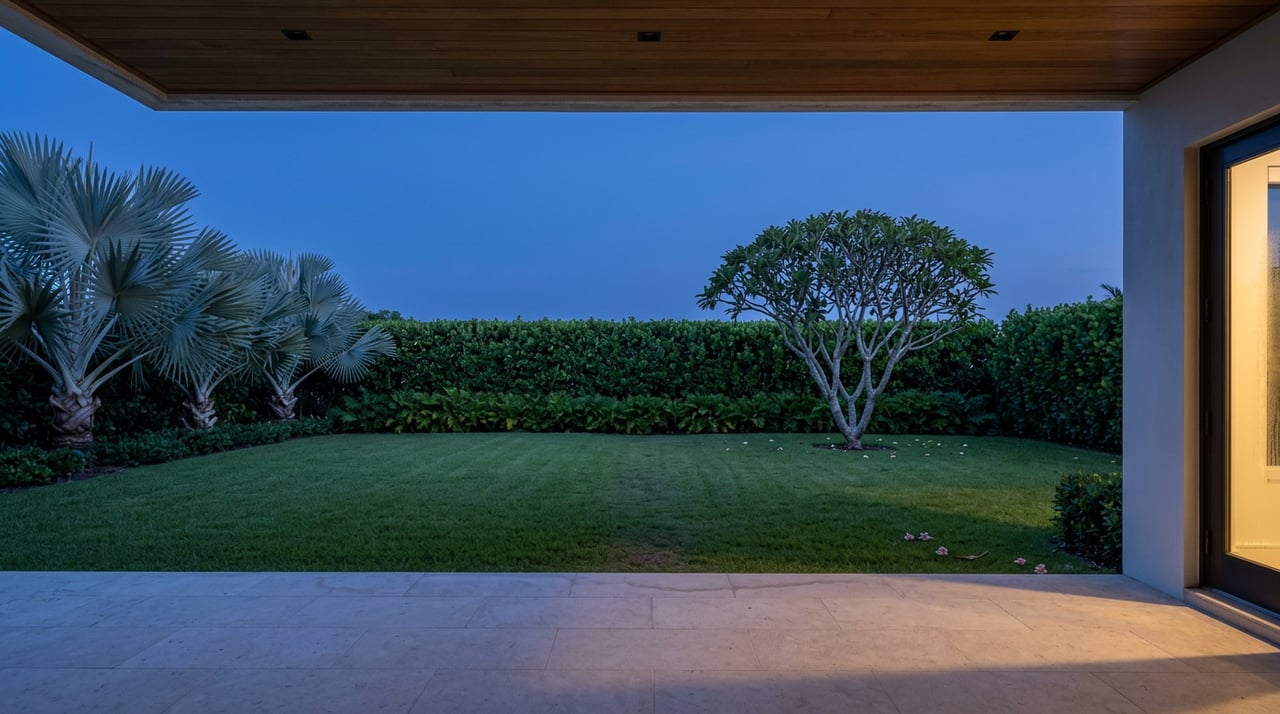
In Coral Gables, the property does not stop at the walls of the house. On larger lots and estate properties, trees and landscape planning can become an important part of the ownership equation.
The city requires tree surveys and tree protection plans for certain Development Review Committee and Board of Architects submissions, as well as for demolition permits. If you are buying a property with major grounds, mature trees, or future site plans, this is worth reviewing early.
Which type of home is right for you?
If you are drawn to timeless architecture, original detail, and a preservation-minded ownership experience, a historic home may be the better fit. If you value newer systems, modern living patterns, and a clearer path for resilience and efficiency upgrades, a contemporary home may make more sense.
In Coral Gables, both choices can be compelling because both exist within a city that takes architecture seriously. The smartest move is to evaluate not only what looks best on day one, but what will feel right for your lifestyle, plans, and level of flexibility over time.
If you want a clear, concierge-level strategy for comparing Coral Gables homes, working with a local advisor can make the process more efficient. To explore historic estates, contemporary residences, and off-market opportunities with tailored guidance, connect with Ruben Chamorro.
FAQs
What makes a home historic in Coral Gables?
- A home generally must be at least 50 years old and have architectural, aesthetic, cultural, or historical significance to qualify for local designation.
Do all older homes in Coral Gables count as historic?
- No. Age alone does not make a home historic, and formal designation is a separate status.
Can you renovate a historic home in Coral Gables?
- Yes. Historic homes can be updated, but exterior work that requires a permit may need Certificate of Appropriateness review, and larger changes may go before the Historic Preservation Board.
Are contemporary homes in Coral Gables easier to modify?
- They may offer a clearer path for modern upgrades, but exterior design changes are still subject to city review through processes such as Board of Architects review.
Do historic homes in Coral Gables have higher property taxes?
- According to the city, historic designation does not increase assessed property taxes solely because of the designation.
What flood questions should buyers ask about Coral Gables homes?
- Buyers should verify whether the property is in a flood zone, whether flood insurance may be required, and whether an elevation certificate is available or required for the property.
Are newer homes in Coral Gables better for hurricane and efficiency upgrades?
- Newer homes are generally easier to align with current upgrades, and Coral Gables offers PACE financing for eligible improvements such as hurricane windows, roof strengthening, HVAC, weatherproofing, and insulation.