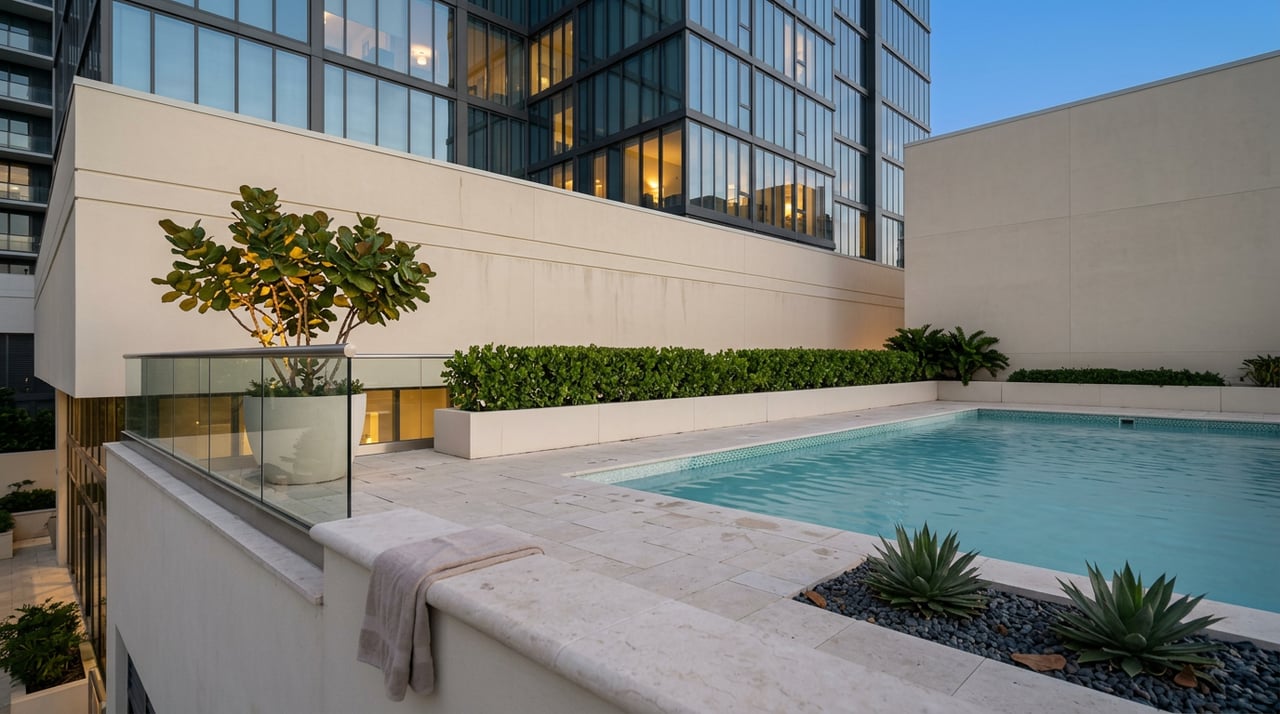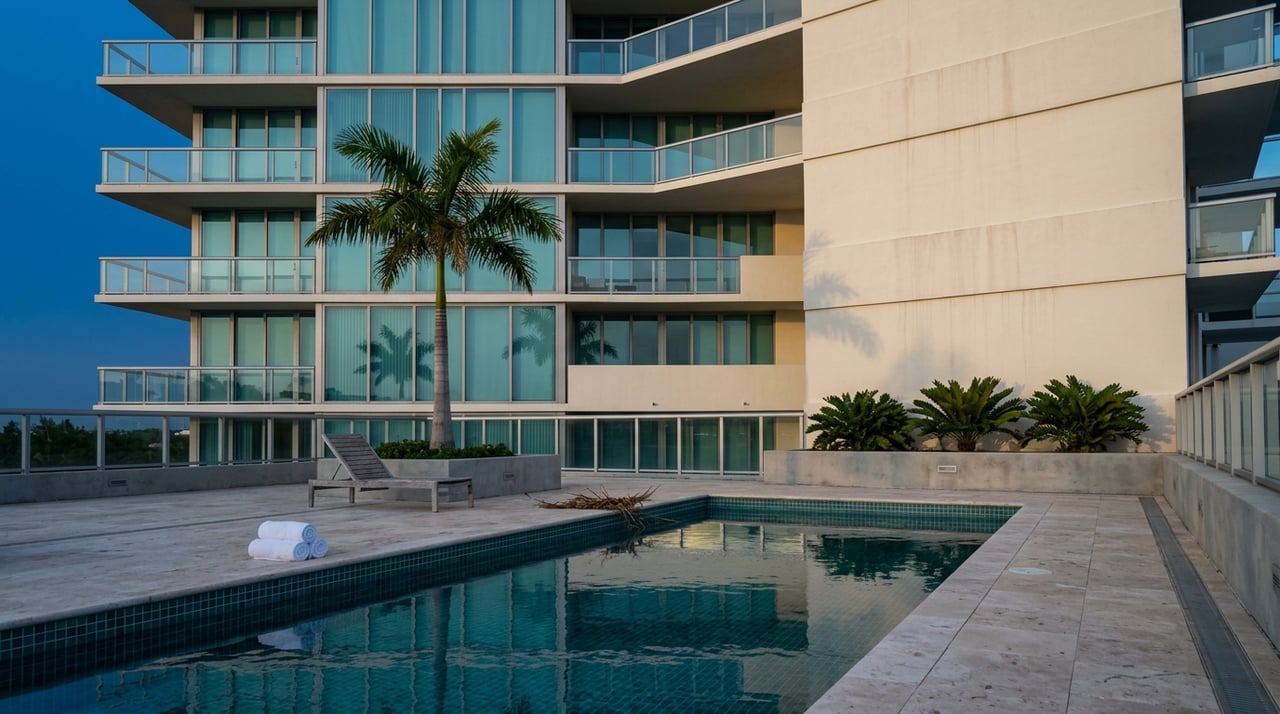
Two 45-story towers sit at the center of Brickell Avenue, 592 units built in 2008 and known simply as 1060 Brickell. In November 2024, the board approved a $21 million special assessment split across facade restoration on Tower II, parking garage and basement repairs, general conditions, and rotunda work. The average bill landed above $35,000 per unit, with some owners facing more than $40,000, a quarter of it due upfront. The pushback that followed was not really about whether the repairs were necessary. Owners argued the assessment moved through the board without a proper vote, with notice they called inadequate, on a timeline that ran through the holidays. A certified recall and a circuit court order eventually replaced the board. As of this summer, that history is still part of the building's public record.
Here is why a two-year-old assessment fight at one building matters to anyone shopping Brickell resale condos today. On August 3, 2026, Fannie Mae's Lender Letter LL-2026-03 took effect and retired the Limited Review path for established condo projects over ten units. Limited Review used to let lenders skip a deep look at a building's litigation and reserve history for certain owner-occupied purchases with strong loan-to-value ratios. That shortcut is gone. Every conventional loan application on a building like 1060 Brickell now goes through Full Review, which means an underwriter reads the milestone inspection status, the reserve study, the current budget, and the insurance declarations before your loan closes. A building carrying unresolved litigation or open structural findings can fail that review outright. When that happens, the buyer pool for that unit shrinks to whoever can write a check.
That is not a small pool to fall out of. Miami-Dade condo sales closed in cash 48.5 percent of the time in June 2026, and the county was still sitting on 12.3 months of existing condo supply that same month. In a market with that much inventory, a building that trips Full Review is competing for a buyer pool that has already been cut nearly in half before anyone even schedules a showing.
What Full Review Actually Reads
The paperwork an underwriter now requests is not new. What is new is that fewer buildings get to skip the request. A Full Review typically checks:
- The building's most recent milestone inspection report and whether Phase 1 or Phase 2 findings remain open
- The current Structural Integrity Reserve Study and whether its funding schedule matches what the association is actually collecting
- The adopted budget, particularly whether it was passed on or after December 31, 2024, since owners can no longer vote to waive SIRS reserves for budgets adopted after that date
- Board meeting minutes covering the past year, which often surface litigation or funding disputes that never make it into a budget summary
- Current insurance declarations, since a lapse or a sharp premium jump can itself be a red flag to an underwriter
At 1060 Brickell, the board's counsel, Marc Halpern, defended the process at the time by noting that "the board is charged with the responsibility to adequately maintain and repair the common elements." That is true, and it is also exactly the kind of governance detail a Full Review now surfaces before a lender will fund a purchase in that building.
Reading the Building's Calendar
Every Brickell condo has a structural clock running from its certificate of occupancy. Buildings within three miles of the coast, which covers essentially all of Brickell, face their first milestone inspection at 25 years, with reinspection every 10 years after. That single number tells you more about a building's near-term risk than its lobby renovation or its Yelp reviews.
Icon Brickell, the three-tower, 1,718-unit complex completed in 2008, is heading toward its milestone window around 2033. Astor Crown, a smaller 96-unit tower delivered in 2014, has a milestone landing closer to 2039. Brickell Heights, finished in 2017, does not face that structural question until roughly 2042. Three buildings, three very different amounts of runway before the same kind of inspection that triggered the 1060 Brickell assessment comes due.
None of this means an older building is a bad purchase. It means the calendar is now a financing variable, not just a maintenance one. A building that already completed its milestone inspection with a clean report and a funded reserve is a known quantity to an underwriter. A building approaching that window with an unresolved reserve gap is an open question, and open questions are what Full Review exists to close.
What It Costs When It Goes Wrong
1060 Brickell is not an isolated case. Isola Condominium on Brickell Key faced a $19 million assessment for pool deck and garage repairs tied to years of deferred maintenance, followed by three additional smaller assessments after that. Repeated assessments compound in a way a single large bill does not. Each one resets the question of whether the association's reserves match its obligations, and each one gives a lender another data point to weigh during Full Review.
This is the piece that generic condo-buying advice tends to miss. The concern was never only "will I get hit with a bill someday." It is "will this specific building clear underwriting on the day I need it to," and that answer can change with a single board vote or a single engineering finding.
Turning Diligence Into Leverage
By June 30, 2026, Brickell's median time to pending had stretched to 129 days, with a 95.1 percent median sale-to-list ratio and 92.7 percent of sales closing below list price. That gap between what sellers ask and what buyers actually pay is a buyer's market signal, and it means nobody needs to rush a decision to avoid losing out.
It is a market where requesting the full document package before removing contingencies costs you almost nothing in competitive position, and tells you almost everything about whether your financing will actually close. Sellers in buildings with clean milestone reports and funded reserves have every reason to hand over that paperwork quickly, because it is the strongest argument they have for why their unit is worth the asking price.
Five Documents to Request Before You Waive Contingencies
- The building's milestone inspection report and completion date, along with confirmation of whether any Phase 2 findings remain unresolved
- The most recent Structural Integrity Reserve Study and a comparison between its recommended funding schedule and the current budget's actual reserve line
- The past twelve months of board meeting minutes, read specifically for mentions of bids, disputes, or funding votes
- Current association insurance declarations, plus any note of a recent premium increase or coverage change
- Written confirmation of any pending, approved, or discussed special assessment, and how the contract allocates responsibility for it between buyer and seller
Get answers to all five in writing before your inspection period runs out. A seller in a well-documented building will not hesitate. A seller who stalls on any of these is telling you something too.
Frequently Asked Questions
Does Full Review apply to new pre-construction towers? Pre-construction projects generally go through their own Fannie Mae project approval process before individual loans close. The Limited Review retirement specifically affects resale purchases in established buildings over ten units, which is most of Brickell's existing condo stock.
If I'm paying cash, does any of this matter to me? Financing eligibility stops being your problem, but the underlying costs do not disappear. A building's special assessment or insurance renewal affects your carrying cost and your future resale pool whether you financed the purchase or not.
What if a building already resolved its assessment and repairs? A completed assessment with a fully funded reserve going forward is a different asset than one still mid-repair with an open bill. Ask for written confirmation of current status, not just a history of what happened, before you remove contingencies.
Buildings tell you their financial story if you know which five documents to ask for and how to read the milestone calendar against them. That kind of building-by-building read, not a neighborhood-wide average, is what actually protects a Brickell purchase in 2026.
If you are comparing specific Brickell buildings and want someone who reads the reserve study and the board minutes before you ever write an offer, Ruben Chamorro can walk you through what a building's paperwork says about its next five years.